5+ Chickenpox Symptoms in Children and Adults: What to Look For
Chickenpox is a highly contagious viral infection caused by the varicella-zoster virus, which primarily affects children but can also occur in adults. It is characterized by an itchy, blister-like rash that usually starts on the chest, back, and face, spreading to other parts of the body. While chickenpox is often mild in healthy children, adults may experience more severe symptoms and a higher risk of complications such as pneumonia or inflammation of the brain. Early recognition of chickenpox symptoms is crucial for managing discomfort, preventing spread, and seeking medical care when necessary.
The disease typically begins with flu-like symptoms such as fever, fatigue, headache, and loss of appetite, followed by the appearance of the classic red, itchy rash. This rash evolves into fluid-filled blisters that eventually crust over. Awareness of both the early signs and the progression of chickenpox allows parents and adults to monitor the infection, provide supportive care, and prevent transmission to others. In this article, we will explore five or more key chickenpox symptoms in children and adults and discuss ways to manage and relieve the infection safely.
What Is Chickenpox?
Chickenpox is a highly contagious viral infection caused by the varicella-zoster virus (VZV). It is most common in children but can also affect adults, often resulting in more severe symptoms. The disease is characterized by a red, itchy rash that develops into fluid-filled blisters, usually starting on the chest, back, and face before spreading to other parts of the body. Chickenpox is often accompanied by flu-like symptoms such as fever, fatigue, loss of appetite, and headache, particularly in the early stages.
Transmission occurs through direct contact with the fluid from the blisters or through respiratory droplets when an infected person coughs or sneezes. Individuals are contagious from about 1–2 days before the rash appears until all blisters have crusted over. While most healthy children experience mild illness, adults, pregnant women, and people with weakened immune systems are at higher risk of complications such as pneumonia, bacterial infections, or inflammation of the brain. Vaccination is highly effective in preventing infection or reducing the severity of symptoms.
Chickenpox Symptoms: What are the primary signs in children and adults?
The clinical progression of chickenpox is a dynamic process that shifts from a vague, full-body immune response to an unmistakable skin eruption. Driven entirely by the varicella-zoster virus, this condition follows a highly predictable chronological path.
However, while the core signs and symptoms of chickenpox are universally shared across age groups, the intensity of the disease and the threat of internal complications change dramatically between a child’s immune system and an adult’s.
The Five Key Clinical Symptoms of Chickenpox
A primary infection of varicella disease manifests in two distinct chronological stages: the initial pre-rash prodromal phase and the active eruptive rash phase. Spotting the illness during the pre-rash stage is vital because the individual has already entered their active varicella contagious period.
The Prodromal Phase (Days 1–2 Before the Rash)
Before the first spot breaks out on the skin, the virus triggers a wave of systemic, flu-like symptoms. The first signs of chickenpox include:
- Fever: A sudden, mild-to-moderate fever typically ranging between 101°F and 102°F (38.3°C to 38.9°C). This serves as the body’s initial thermal alarm system as the immune network detects viral replication.
- Profound Fatigue and Malaise: An intense, heavy sense of physical exhaustion and general unwellness. Young children often become highly irritable, listless, and lose interest in play, while older individuals feel entirely drained of physical energy.
- Persistent Headache: A dull, aching headache frequently accompanies the early fever, driven by systemic viral inflammation.
- Loss of Appetite: Sufferers experience a distinct lack of interest in food, which is sometimes accompanied by mild abdominal discomfort or nausea.
- Sore Throat and Dry Cough: A scratchy throat or mild, dry cough can emerge just before the rash drops, mimicking a standard upper respiratory infection.
The Eruptive Rash Phase (The Hallmark Sign)
The definitive symptoms of varicella focus on an intensely itchy, blister-like rash that erupts in waves.
A core defining trait of chickenpox symptoms is that the rash erupts in consecutive crops over 3 to 5 days. Because new waves of spots emerge while older ones are healing, an individual will simultaneously exhibit all three stages of the rash across their body at the exact same time.
Furthermore, these blisters are not confined to the outer skin; they can frequently develop on mucous membranes, appearing inside the mouth, along the throat, on the eyelids, and throughout the genital tract, making swallowing or blinking incredibly uncomfortable.
Age-Based Presentation: Children vs. Adults
The difference in how this virus behaves in a child versus an adult highlights why adult chickenpox is treated as a high-priority medical concern.
The Childhood Experience: Mild and Self-Limiting
In healthy, unvaccinated children, the beginning stages of chickenpox are often brief, with the pre-rash prodromal phase being exceptionally mild or entirely absent.
- The Course: Children typically develop a low-grade fever and a manageable rash consisting of a few hundred itchy blisters.
- The Recovery: Their primary complaint is the intense, disruptive itching. Within 7 to 10 days, the crusts fall off, and the child recovers completely with minimal, temporary marking, provided secondary bacterial infections from scratching are prevented.
The Adult Experience: Severe and Volatile
When a person contracts the virus for the first time in maturity, the symptoms of chickenpox in adults shift into an aggressive, full-body inflammatory event.
Aggressive Prodrome: Adults experience a prolonged, severe pre-rash window featuring high fevers (frequently spiking well above 102°F / 38.9°C), severe muscle or body aches, and debilitating fatigue that leaves them bedridden before a single spot appears.
Denser, Painful Eruptions: The resulting rash is far more extensive and dense. The blisters penetrate deeper dermal layers, causing them to feel hot and painful rather than just itchy, which drastically increases the timeline for healing and elevates the risk of permanent, deep pitting scars.
The Escalated Complication Threat: Adults are up to 25 times more likely to suffer life-threatening internal complications. The most common adult danger is varicella pneumonia, where the virus attacks the lungs, triggering rapid respiratory distress, hypoxia, and chest pain. Adults are also at an increased risk for encephalitis (brain inflammation), which causes severe confusion, seizures, and coordination loss.
The Structural Neurological Link: Shingles Risks
A unique trait of the varicella virus is its permanent, lifelong relationship with your nervous system. Once your immune system clears the active skin rash, the virus does not leave your body. Instead, it travels along your sensory nerve fibers, retreating into the nerve cell clusters running next to your spinal cord (dorsal root ganglia), where it settles into a quiet state of permanent hibernation.
If You Didn’t Have Chickenpox, Can You Get Shingles?
No, you cannot develop shingles if you have never had chickenpox. Shingles (herpes zoster) is not an infection you catch from the air or from another person; it is a internal reactivation of the original chickenpox virus that has slept inside your nerve cells for decades. If you have never had the primary chickenpox infection (or the corresponding live vaccine), your nervous system does not harbor the virus, making a shingles outbreak biologically impossible.
The Transmission Caveat: If an adult who has never had chickenpox comes into direct contact with the open, fluid-filled blisters of someone with active shingles, chickenpox transmission occurs. The virus will enter their system, but they will not get shingles immediately. Instead, they will develop a primary, severe case of adult chickenpox, which will then place them at risk for shingles later in life.
Chickenpox Rash Stages: What is the typical progression of the rash?
The defining clinical feature of chickenpox is the rapid, highly dynamic evolution of its skin lesions. Driven by the varicella-zoster virus, the rash does not simply appear and fade; instead, each individual spot undergoes a dramatic structural metamorphosis over several days.
Understanding this progression is essential for accurately identifying the disease, determining how long an individual remains a public health risk, and recognizing when home care is no longer safe and immediate medical intervention is required.
The Three Lifecycles of a Chickenpox Spot
The defining signs and symptoms of chickenpox center around a rash that erupts in consecutive crops over a 3-to-5-day period. Because new waves of spots break out while older ones are already healing, a patient will simultaneously exhibit all three stages of the rash across their torso, face, and limbs at the exact same time. The lifecycle of each individual spot follows a strict chronological path:
Stage 1: The Papules (The Initial Bumps)
The beginning stages of chickenpox manifest as small, slightly raised pink or red bumps called papules.
- Appearance: These spots can look remarkably similar to minor insect bites or small pimples. They typically cluster first on the chest, back, and face before migrating outward to the arms and legs.
- Duration: This initial stage is brief, lasting less than 24 hours for each individual spot before it undergoes its next structural shift.
Stage 2: The Vesicles (The Fluid-Filled Blisters)
Within a day of emerging, the flat papules fill with a clear fluid, transforming into fragile, thin-walled blisters called vesicles.
The Clinical Presentation: In medical textbooks, this stage is classically described as looking like “dewdrops on a rose petal” due to the clear blister resting on an inflamed, red base. These blisters can also form on internal mucous membranes, popping up inside the mouth, along the throat, and on the eyelids.
The Contagious Peak: The fluid inside these vesicles contains an incredibly high concentration of live viral particles, making this the most volatile phase of chickenpox transmission. These blisters are notoriously, intensely itchy. Scratching them must be strictly avoided, as rupturing the thin walls can track aggressive skin bacteria deep into the flesh, leading to severe secondary infections and deep pitting scars. This stage lasts approximately 1 to 2 days per spot.
Stage 3: The Crusts and Scabs (The Healing Phase)
Once a vesicle ruptures or naturally begins to dry out, the clear fluid drains away, and the center of the sore collapses inward to form a rough, yellow-brown crust.
Drying Out: This crust gradually hardens into a protective scab, allowing the underlying skin layers to regenerate safely underneath.
The End of the Contagious Window: The scabbing process is the longest phase of the rash, taking anywhere from 7 to 14 days for the scabs to heal completely and flake off naturally. The varicella contagious period officially ends only when every single blister across the entire body has thoroughly dried into a hard scab. If even one fluid-filled vesicle remains open, varicella transmission is still possible.
When to See a Doctor: Critical Red Flags
While a healthy child experiencing a mild case of varicella disease can often be safely managed at home with supportive care (such as cool oatmeal baths and over-the-counter calamine lotion), you must monitor the patient for key clinical warning signs. Seek immediate medical evaluation if the infected individual develops any of the following severe symptoms:
Signs of Secondary Bacterial Infection: If the individual skin lesions become intensely red, swollen, hot to the touch, or begin weeping thick, cloudy pus, it indicates that surface bacteria (like Staphylococcus or Streptococcus) have invaded the raw wound. This can lead to cellulitis and requires prescription oral antibiotics.
Respiratory Distress: The onset of a persistent, severe cough or any difficulty breathing is a major red flag for varicella pneumonia. This is a life-threatening viral lung infection that is highly prevalent during primary infections in adults and pregnant women.
Neurological Changes: If the patient develops a stiff neck, extreme drowsiness, severe confusion, persistent vomiting, or a sudden loss of balance when walking, the virus may have crossed into the central nervous system, triggering encephalitis (brain inflammation) which requires emergency hospital care.
Blisters in the Eyes: If any chickenpox spots develop directly on the eyeball or within the immediate eye socket, it is a medical emergency that can permanently threaten vision and requires immediate ophthalmic evaluation.
High-Risk Populations: Mandatory Medical Evaluation
Certain demographics possess immune profiles that cannot safely combat a primary infection of varicella disease. If anyone in the following high-risk categories shows the first signs of chickenpox—such as a sudden low-grade fever, headache, or the first pink papule—they should skip home care entirely and see a healthcare provider immediately for proactive prescription antiviral therapies:
Adults and Adolescents (Ages 12+): Because the symptoms of chickenpox in adults are up to 25 times more likely to result in severe internal complications like pneumonia or encephalitis, mature individuals require immediate clinical monitoring.
Pregnant Women: Contracting the virus during pregnancy carries a high risk of maternal pneumonia and can cause congenital varicella syndrome in the developing fetus, which can lead to severe structural birth defects.
Newborns and Infants: Infants possess highly immature immune networks, making them exceptionally vulnerable to systemic viral dissemination.
Immunocompromised Individuals: Anyone fighting HIV/AIDS, undergoing active cancer chemotherapy, or taking long-term systemic immunosuppressant medications (like steroids) lacks the white blood cell reserves required to contain the virus, making medical intervention vital.
Can you get chickenpox if you’ve been vaccinated?
You can absolutely still contract chickenpox after being vaccinated, but it is uncommon. When a vaccinated individual develops the infection, it is known clinically as a breakthrough varicella infection.
The varicella vaccine is highly effective—receiving the recommended two-dose series is roughly 90% effective at preventing any form of the virus and over 95% effective at preventing severe cases. However, because no vaccine is 100% effective, a small percentage of people can still contract the virus if they face heavy exposure. The good news is that if you do get a breakthrough case, your immune system is already primed to fight it, resulting in a dramatically altered and much milder illness.
Breakthrough Varicella vs. Standard Chickenpox
When breakthrough varicella occurs, the classic, aggressive chickenpox symptoms are rewritten. The body’s pre-existing vaccine antibodies intercept the virus, softening its impact across every stage of the disease.
The Lesion Count and Appearance
Standard Case: An unvaccinated child or adult typically suffers through a miserable eruptive phase, developing anywhere from 500 to over 1,000 intensely itchy, fluid-filled blisters (vesicles) scattered across their entire body, including inside the mouth and on the eyelids.
Breakthrough Case: A vaccinated individual usually develops fewer than 50 spots in total. Furthermore, these spots are often atypical; they rarely mature into fragile, weeping, fluid-filled blisters. Instead, they remain as flat red spots or small, dry pimples (maculopapular lesions) that resemble minor bug bites and rarely cause permanent pitting scars.
Systemic Severity and Duration
Standard Case: The initial beginning stages of chickenpox present with high fevers, body aches, severe headaches, and deep exhaustion that leaves the patient bedridden for a week or more.
Breakthrough Case: Vaccinated individuals usually experience a very low-grade fever or no fever at all. The flu-like prodromal phase is frequently absent, and the entire duration of the illness is significantly shortened, often resolving fully in just a few days.
Contagion and Public Health Safety
Because the rash in a breakthrough infection rarely produces open, fluid-filled blisters, chickenpox transmission is greatly reduced—but it is not zero. The fluid inside standard chickenpox blisters contains a high concentration of live viral particles, which drives rapid varicella transmission. While a breakthrough patient has far less viral shedding, they can still pass the virus to unvaccinated or high-risk individuals through respiratory droplets when they talk, cough, or sneeze.
Therefore, the varicella contagious period rules still apply: a vaccinated person with breakthrough chickenpox must remain isolated from school, work, and public spaces until every single spot has completely faded, dried out, or crusted over.
The Power of the Two-Dose Blueprint
The reality of breakthrough infections highlights why public health agencies strictly enforce a two-dose vaccination schedule rather than relying on a single shot. Data shows that children who only receive the first dose carry a much higher risk of developing a breakthrough infection later in childhood.
The second dose serves as a critical booster, sealing long-term cellular memory and reducing the risk of a breakthrough flare by more than half. This second dose also strengthens herd immunity, which protects vulnerable groups who cannot receive live vaccines, such as newborns, pregnant women, and cancer patients undergoing chemotherapy.
Beyond the Basics: What are the related conditions of chickenpox?
To fully understand chickenpox (varicella disease), we must look past the standard childhood illness and examine its broader viral family and look-alike conditions. The Varicella-Zoster Virus (VZV) is a complex pathogen with a long-term neurological legacy, capable of causing severe internal complications and later mutating into a completely different disease layout.
Furthermore, because many childhood viral infections present with eruptive skin changes, learning to clinically differentiate a chickenpox rash from other common illnesses like measles or hand-foot-and-mouth disease is essential for accurate diagnosis and proper public health isolation protocols.
Deep-Tissue and Systemic Complications
While a standard case of chickenpox in a healthy child is usually self-limiting, the virus can breach localized skin barriers and invade vital internal organs. These complications carry a high risk of long-term damage or life-threatening outcomes in high-risk groups, including newborns, pregnant women, adults, and immunocompromised patients.
Secondary Bacterial Infections
The intense, unrelenting itch of the primary chickenpox symptoms presents a major clinical vulnerability. When a patient aggressively scratches open the fragile fluid-filled blisters (vesicles), they break the skin’s physical defense network.
This tracks common surface bacteria, such as Staphylococcus aureus or Streptococcus pyogenes, deep into the raw wound. This secondary invasion can turn a simple viral spot into aggressive skin conditions like impetigo or cellulitis, requiring rapid prescription antibiotic treatment to prevent deep tissue necrosis.
Varicella Pneumonia
When the virus multiplies unchecked in mature adults, smokers, or pregnant individuals, it frequently targets the respiratory system. The virus spreads through the bloodstream into the lungs, triggering varicella pneumonia. This is a severe viral lung infection that causes rapid shortness of breath, a persistent dry cough, chest pain, and hypoxia (low blood oxygen levels), making it the leading cause of death and hospitalization among adults with wild chickenpox.
Encephalitis and Reye’s Syndrome
-
Encephalitis: In rare, dangerous instances, the virus crosses the blood-brain barrier, triggering acute inflammation of the brain (encephalitis). This neurological crisis manifests as a stiff neck, severe confusion, extreme lethargy, seizures, or a sudden loss of walking coordination (cerebellar ataxia).
-
Reye’s Syndrome Warning: A historically devastating complication associated with chickenpox is Reye’s Syndrome. This rare but fatal disorder causes rapid, severe swelling of both the liver and the brain, almost exclusively affecting children and teenagers recovering from a viral illness.
Chickenpox vs. Shingles: One Virus, Two Presentations
A common point of clinical confusion is the relationship between chickenpox and shingles (herpes zoster). While they are caused by the exact same pathogen—the varicella-zoster virus—they represent entirely different stages of a lifelong viral lifecycle.
                  [THE VARICELLA-ZOSTER LIFECYCLE DIAL]
                                    │
         ┌──────────────────────────┴──────────────────────────┐
         ▼                                                     ▼
 [CHICKENPOX: THE INVASION]                          [SHINGLES: THE AWAKENING]
 • Primary infection, usually in youth.             • Internal reactivation of latent virus.
 • Body-wide, generalized distribution.             • Localized, unilateral layout (one side).
 • Erupts in multi-stage scattered waves.           • Clustered strictly along a single dermatome.
 • Characterized by intense, furious itching.        • Preceded by burning, electric nerve pain.
The Architectural Blueprint: Generalized vs. Dermatomal
The primary visual difference between the two conditions is how the rash spreads across the body:
-
The Chickenpox Layout: Because chickenpox is a primary systemic infection, the virus spreads through the blood, resulting in a generalized, body-wide rash. Hundreds of spots appear scattered randomly across the face, torso, scalp, and limbs in asynchronous waves.
-
The Shingles Layout: Shingles is not an infection you catch from the environment. Once your body recovers from childhood chickenpox, the virus retreats into the nerve cell clusters near your spine (dorsal root ganglia), where it sleeps for decades. When it reactivates, it travels down a single sensory nerve pathway to the skin. As a result, the shingles rash is strictly localized and unilateral (affecting only one side of the body), forming a distinct band, strip, or concentrated cluster along a specific nerve line known as a dermatome.
The Pain Profile
While the main complaint with chickenpox is intense, frantic scratching from itching, shingles is driven by intense nerve inflammation. Days before a shingles rash even appears, the patient will experience significant burning, tingling, electric numbness, or an intense, throbbing pain within that specific dermatomal band of skin.
The Pediatric Rash Differential: Chickenpox vs. Measles vs. HFMD
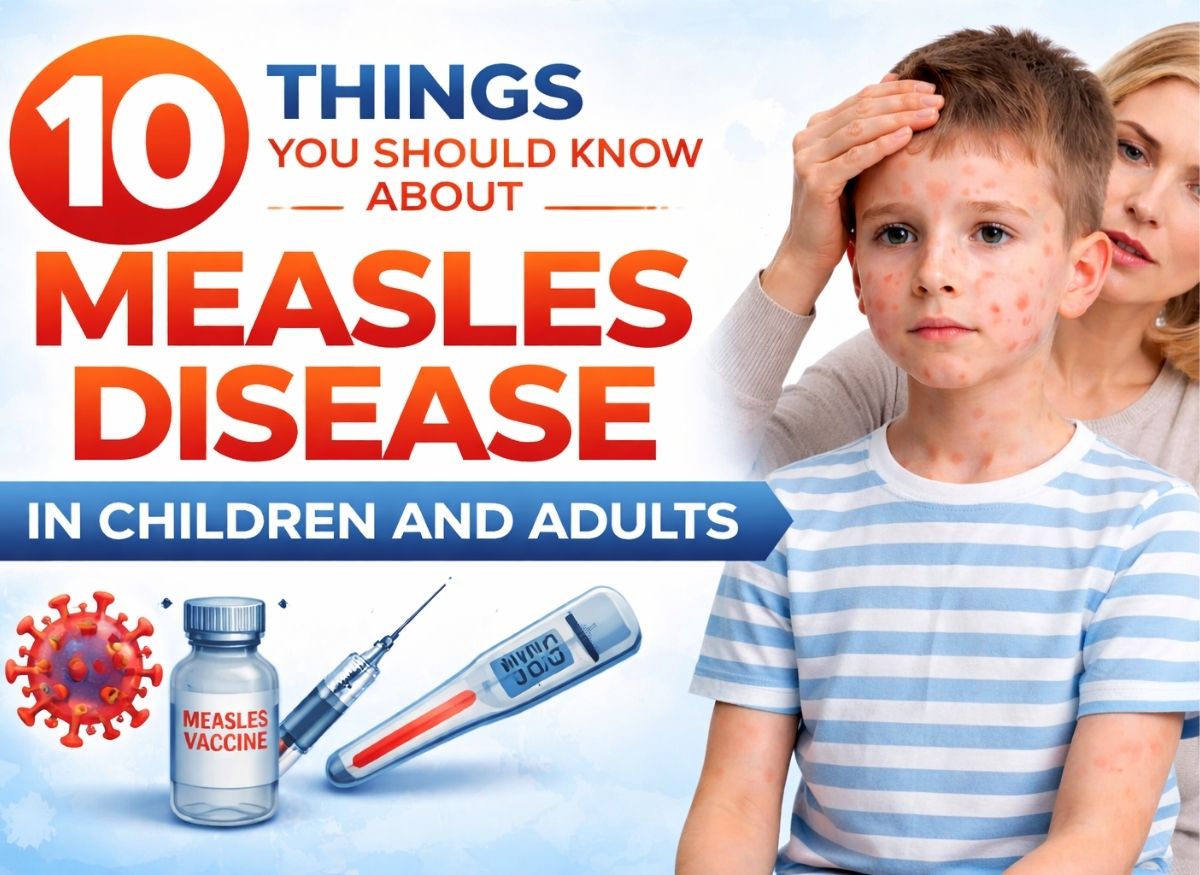
When a child develops a sudden fever and a red skin rash, it can be a diagnostic challenge. Chickenpox, measles (rubeola), and hand-foot-and-mouth disease (HFMD) are all highly contagious viral illnesses common in youth, yet each follows a completely unique clinical blueprint.
| Diagnostic Metric | Chickenpox (Varicella) | Measles (Rubeola) | Hand-Foot-and-Mouth Disease (HFMD) |
| Primary Lesion Appearance | Fragile, thin-walled fluid blisters resting on a red base (“dewdrops on a rose petal”). | Flat, red or reddish-brown maculopapular spots that run together into large, blotchy patches. | Small, painful flat red spots that can blister, turning into shallow ulcers inside the oral cavity. |
| Evolution of the Rash | Asynchronous Progression: Spots emerge in successive waves over several days, showing all stages (bumps, clear blisters, and dry scabs) on the skin at once. | Synchronous Progression: All spots appear and change together, slowly fading to a brownish stain and fine skin peeling as the illness subsides. | Localized Stagnation: Lesions remain small and localized, rarely crusting or spreading body-wide; mouth sores naturally slough off. |
| Anatomical Distribution | Starts centrally on the torso, back, and face, before scattering outward across the extremities and scalp. | Begins at the hairline, forehead, and behind the ears, before moving downward to the neck, trunk, and feet. | Concentrated primarily on the palms of the hands, soles of the feet, and inside the mouth (tongue/gums). |
| Key Accompanying Symptoms | Mild-to-moderate fever, poor appetite, and furious, intense skin itching. | High fever, severe malaise, and the “Three Cs”: severe Cough, Coryza (runny nose), and Conjunctivitis (red, watery eyes). | Moderate fever, sore throat, and painful mouth sores (herpangina) that make swallowing liquids or eating solid foods difficult. |
Managing Viral Risks and Transmission
Understanding these differences is vital for managing transmission risks. While a person with chickenpox can easily pass the virus through air droplets or blister fluid to any non-immune individual, a person with shingles can also transmit the virus.
If an unvaccinated child or an adult who didn’t have chickenpox comes into direct contact with the open, weeping fluid of a shingles blister, they can contract the virus. They will not develop shingles immediately; instead, they will develop a primary, potentially severe case of chickenpox.
To protect your community from these related conditions, maintain strict isolation until all skin lesions have completely crusted over, ensure your household follows standard childhood immunization schedules, and talk to a doctor about the modern zoster vaccines if you are an adult looking to prevent a painful shingles reactivation.
Conclusion
Although chickenpox is generally self-limiting, recognizing the early symptoms and progression is important for reducing discomfort, preventing complications, and limiting the spread to others. Supportive care, including rest, hydration, fever management, and anti-itch treatments, can make the illness more tolerable. Children usually recover within 1–2 weeks, while adults may require closer monitoring due to the higher likelihood of severe symptoms.
Vaccination is the most effective preventive measure and has dramatically reduced the incidence and severity of chickenpox in many countries. By understanding the symptoms, monitoring the progression, and implementing proper care, individuals can manage chickenpox safely while minimizing its impact on daily life. Awareness, timely care, and prevention remain key components in controlling this common viral infection.
Read more: Paronychia Infection: Symptoms, Causes, and Treatments
FAQ
What causes chickenpox and how is it transmitted?
Chickenpox is caused by the varicella-zoster virus and spreads easily through respiratory droplets from coughing or sneezing, as well as direct contact with fluid from chickenpox blisters. Individuals are contagious from 1–2 days before the rash appears until all blisters have crusted over. Vaccination significantly reduces the risk of infection and severity of symptoms, especially in children.
What are the early symptoms of chickenpox?
Early symptoms often resemble a mild flu and may include fever, fatigue, headache, loss of appetite, and general malaise. These prodromal symptoms usually appear 1–2 days before the rash develops. Early recognition allows for supportive care and helps reduce the risk of spreading the virus to others.
How does the chickenpox rash progress?
The rash typically starts as small red spots on the chest, back, and face, which then develop into fluid-filled blisters. These blisters are extremely itchy and may spread to other parts of the body. Over several days, the blisters dry out, form crusts, and eventually heal without scarring in most cases. Understanding the progression helps caregivers manage itching and prevent secondary infections.
How is chickenpox treated and managed?
Chickenpox treatment focuses on relieving symptoms, as the infection usually resolves on its own. Supportive measures include rest, hydration, fever reducers (such as acetaminophen), and anti-itch creams or oatmeal baths. Antiviral medications may be prescribed in severe cases or for adults, pregnant women, or immunocompromised individuals. Avoiding scratching the blisters is important to prevent bacterial infection and scarring.
Can chickenpox cause complications?
While complications are rare in healthy children, adults and individuals with weakened immune systems may experience pneumonia, encephalitis, or secondary bacterial infections. Pregnant women with chickenpox are at risk for complications for both mother and baby. Prompt medical evaluation is recommended for severe symptoms, high fever, or unusual rash patterns.
How can chickenpox be prevented?
The most effective prevention method is the varicella (chickenpox) vaccine, which protects against infection and reduces the severity of symptoms. Avoiding contact with infected individuals and practicing good hygiene also helps limit transmission. Ensuring children and at-risk adults are fully vaccinated provides the best protection against this contagious viral infection.
Sources