6 Common Lice Symptoms and How to Spot Them Quickly
Lice infestations are a common problem, especially among school-aged children, but they can affect people of all ages. These tiny, wingless insects thrive on human blood and can cause considerable discomfort when they infest the scalp, hair, or other areas of the body. While lice themselves are not dangerous, their bites can cause itching, irritation, and even secondary skin infections if left untreated. The key to addressing a lice infestation is quick detection, as the longer the lice are left unchecked, the more difficult they can be to treat.
Understanding lice symptoms is essential for identifying an infestation early and preventing it from spreading to others. Lice symptoms are not always immediately obvious, and in some cases, people may not even realize they have lice until they notice itching or irritation. By the time the itching begins, lice may have already laid eggs, called nits, which attach firmly to hair shafts.
The sooner you recognize the signs and begin treatment, the easier it will be to get rid of the lice and prevent them from coming back. In this article, we will explore six common lice symptoms and provide tips on how to spot them quickly before the infestation gets worse.
What Are Head Lice?
The human head louse is a specialized parasite that has adapted specifically to live on the human scalp, feeding on tiny amounts of blood multiple times a day. These wingless insects, which characterize human head lice, are roughly the size of a sesame seed and range in color from tan to grayish-white. Because the human louse cannot fly or jump, an infestation is almost always the result of direct head-to-head contact, making human lice a common occurrence in schools, sports teams, and close-knit households.
From Egg to Adult
The life cycle of human head lice begins when an adult louse cements a headlice egg to the base of a hair shaft, usually within a few millimeters of the scalp to utilize body heat for incubation. These eggs, commonly known as lice nits in hair, look like tiny yellow, tan, or white dots and are often mistaken for dandruff or hairspray droplets.
However, while dandruff can be easily brushed away, an egg is glued so firmly to the hair that it requires a specialized fine-toothed comb to remove. Within about seven to ten days, the head lice egg hatches into a nymph, which matures into an adult louse capable of laying its own eggs, continuing the cycle of lice in hair.
Recognizing Human Head Lice Symptoms
The most universal of human head lice symptoms is intense itching, which is actually an allergic reaction to the saliva of the human louse. Interestingly, some people are not sensitive to these bites and may not experience itching for several weeks, allowing the population of adult lice to grow unnoticed.
For a black person with lice, the symptoms are the same, although the presence of lice nits in hair may require a very bright light and a high-magnification lens to detect against darker hair pigments or within intricate braiding. Beyond itching, you may notice a sensation of something moving or tickling in the hair, as well as small red bumps or sores on the scalp caused by frequent scratching.
Myths and Reality of Human Lice
There is a persistent but false stigma that human head lice are a sign of poor hygiene or a dirty home. In reality, human lice actually prefer clean hair because it is easier for the adult louse to attach its eggs to a hair shaft that isn’t coated in heavy oils or product buildup. While finding lice in hair can be distressing, these parasites do not carry or spread diseases. The primary health risk is a secondary skin infection if the scratching becomes so severe that it breaks the skin. Understanding that anyone can catch a human louse helps reduce the shame often associated with the condition and encourages faster, more transparent treatment within communities.
Lice Symptoms: 6 Most Common Signs of an Infestation
Recognizing the presence of the human head louse requires a balance of visual inspection and an awareness of shifting physical sensations. Because these parasites are experts at remaining hidden, the human head lice symptoms often manifest as a combination of direct skin reactions and secondary behavioral changes. Understanding these six common signs is the most effective way to identify human lice before the infestation spreads to the rest of the household.
The Sensory Warning: Itching and Movement
The most hallmark sign of human head lice is intense, persistent itching, medically known as pruritus. This sensation is an allergic reaction to the saliva of the human louse, which it injects into the scalp while feeding on blood. For those experiencing lice in hair for the first time, this itch may not start for four to six weeks as the body develops a sensitivity. Interestingly, the discomfort often peaks at night when the adult lice are most active, frequently leading to disrupted sleep.
While less common, some individuals report a “tickling” sensation or the feeling of something moving across the scalp. Because an adult louse is only about the size of a sesame seed and moves very quickly, this feeling is often subtle, described as a light brushing or “pins and needles.” For a black person with lice, who may have thicker or more intricate hair textures, this sensation of movement can sometimes be easier to detect than the visual presence of lice nits in hair.
Physical Indicators: Bumps, Sores, and Nits
A visual inspection of the scalp often reveals small, red bumps or sores, particularly concentrated behind the ears and at the nape of the neck. These are not actually the louse bites themselves, but rather an inflammatory response to the trauma of scratching. If human head lice symptoms go untreated, aggressive scratching can break the skin, leading to crusting or secondary bacterial infections. Keeping the area clean and using natural remedies to soothe the scalp can help prevent these complications.
The most definitive physical sign is the discovery of the egg. Often referred to as lice nits in hair, these tiny, teardrop-shaped structures are glued firmly to the hair shaft. Unlike dandruff, a headlice egg cannot be flicked away; it must be physically slid off the hair. Finding the egg within a quarter-inch of the scalp usually indicates an active, ongoing infestation of human head lice.
Behavioral Shifts: Irritability and Restlessness
The constant physical stress of harboring human lice often leads to noticeable behavioral changes, particularly in children. Persistent itching and the “crawling” sensation can make an individual feel restless, agitated, or unusually “on edge.” This irritability is frequently compounded by the nocturnal activity of the human louse, which causes nighttime wakefulness and fatigue.
When a child becomes inexplicably fussy or struggles to focus at school, it may be a behavioral sepsis sign, not of a medical emergency, but of the exhausting physical toll of a parasitic infestation. These secondary symptoms are often the first clue for parents to perform a thorough head check. By identifying adult lice or a lice egg during these behavioral shifts, you can initiate a treatment at home before the cycle of the human louse continues.
Nit Identification: How Can You Instantly Spot Nits in Hair?
Successfully identifying the human head louse and its eggs requires a keen eye and a bit of “detective work.” Because a lice egg is so small, less than 1 mm long, it is frequently confused with common hair debris. However, knowing exactly what to look for and where to look can help you determine in seconds if you are dealing with an active infestation or just a bit of dry scalp.
The “Sticky” Difference: Nits vs. Dandruff
The most reliable way to identify lice nits in hair is the “touch test.” A human head louse attaches its eggs to the hair using a specialized, waterproof cement. Unlike dandruff, which is just loose flakes of dead skin that will fly away if you blow on them, a headlice egg is firmly glued to one side of the hair shaft. If you try to slide it with your fingers and it feels “stuck” or requires a fingernail to scrape off, it is almost certainly a nit.
Visually, nits have a very specific teardrop shape and a uniform color ranging from yellowish-white to tan. In contrast, dandruff is irregular in shape, typically stark white, and sits loosely throughout the hair. You may also encounter “hair casts,” which are circular bits of skin that wrap entirely around the hair. While these can look like nits, they slide easily up and down the hair shaft, whereas a lice egg is fixed in place.
Scouting the “Hot Spots”
When performing a head check, you must prioritize the areas where the human louse is most likely to hide and lay its eggs. These “hot spots” are the warmest parts of the scalp, providing the ideal incubation temperature for the head lice egg to hatch. Focus your search specifically behind the ears and at the nape of the neck.
The distance of the nit from the scalp is also a vital diagnostic clue. A female human head louse lays her eggs within a quarter-inch of the skin to ensure they stay warm. Because hair grows about half an inch per month, finding nits an inch or more down the hair shaft usually means you are looking at old, hatched casings from a past infestation. If you find plump, brownish-tan eggs very close to the scalp, it is a definitive sign of an active colony of human head lice.
Mastering the Systematic Check
To perform a professional-grade check, you need a high-quality metal nit comb and a very bright light source. The goal is to be methodical so that no adult lice or eggs are missed. Start by sectioning the hair with clips to ensure you aren’t re-checking the same spots. Place the teeth of the comb directly against the scalp and pull firmly all the way to the ends. After every pass, wipe the comb onto a white paper towel to inspect for the tiny, dark-colored adult louse or the yellowish lice egg.
Live Eggs vs. Empty Shells
Not every nit represents a future louse. Viable, living eggs are typically found closest to the scalp and have a darker, more opaque appearance. If you were to squeeze a live headlice egg between your fingernails, it would produce a faint “pop” sound. Non-viable nits, those that have already hatched or died, appear whiter, more translucent, and are found further down the hair strand.
While these empty shells are harmless, many “no-nit” school policies require their removal because it is difficult to be 100% certain which ones are empty without a microscope. This is why a thorough hair lice treatment at home must involve meticulous combing until every last headlice egg is removed.
The Distinctions Between Lice, Nits, and Other Scalp Issues
Distinguishing between the various stages of the human louse and other similar skin conditions is the first step toward effective treatment. While a itchy scalp is a shared symptom across many issues, the biological footprint of human head lice is unique due to its specific life cycle and parasitic nature. Misidentifying a lice egg as dandruff or mistaking human lice for scabies can lead to wasted time and unnecessary chemical exposure.
Navigating the Lice Life Cycle: Nit, Nymph, and Adult
The life cycle of the human head louse consists of three distinct phases, each requiring a different level of scrutiny to detect. The journey begins with the lice egg, or nit, which is a tiny, yellowish-white oval cemented firmly to the hair shaft. These are non-mobile and represent the “future” of the infestation. Once the head lice egg hatches, it enters the nymph stage. A nymph is essentially a translucent, smaller version of an adult louse that must feed on blood immediately to survive and mature.
The final stage is the adult louse, a parasite roughly the size of a sesame seed. The human head louse is typically tan to grayish-white, making it difficult to spot against the scalp, especially for a black person with lice or those with darker hair pigments. Adult females are prolific, laying up to eight nits per day, which is why lice in hair can escalate from a single stowaway to a full-blown infestation in less than a month. Unlike nits, nymphs and adult lice are highly mobile and will scuttle away from light during a head check.
Head vs. Body Lice and Scabies
It is a common mistake to group all parasitic skin issues together, but the human louse is very different from its relatives. Head lice are host-specific and location-specific, meaning they only live on the human scalp and cannot survive on pets or other parts of the body. In contrast, body lice, a different subspecies, actually live in the seams of clothing and only migrate to the skin to feed. While human head lice symptoms are confined to the scalp and neck, body lice typically cause rashes on the torso and shoulders.
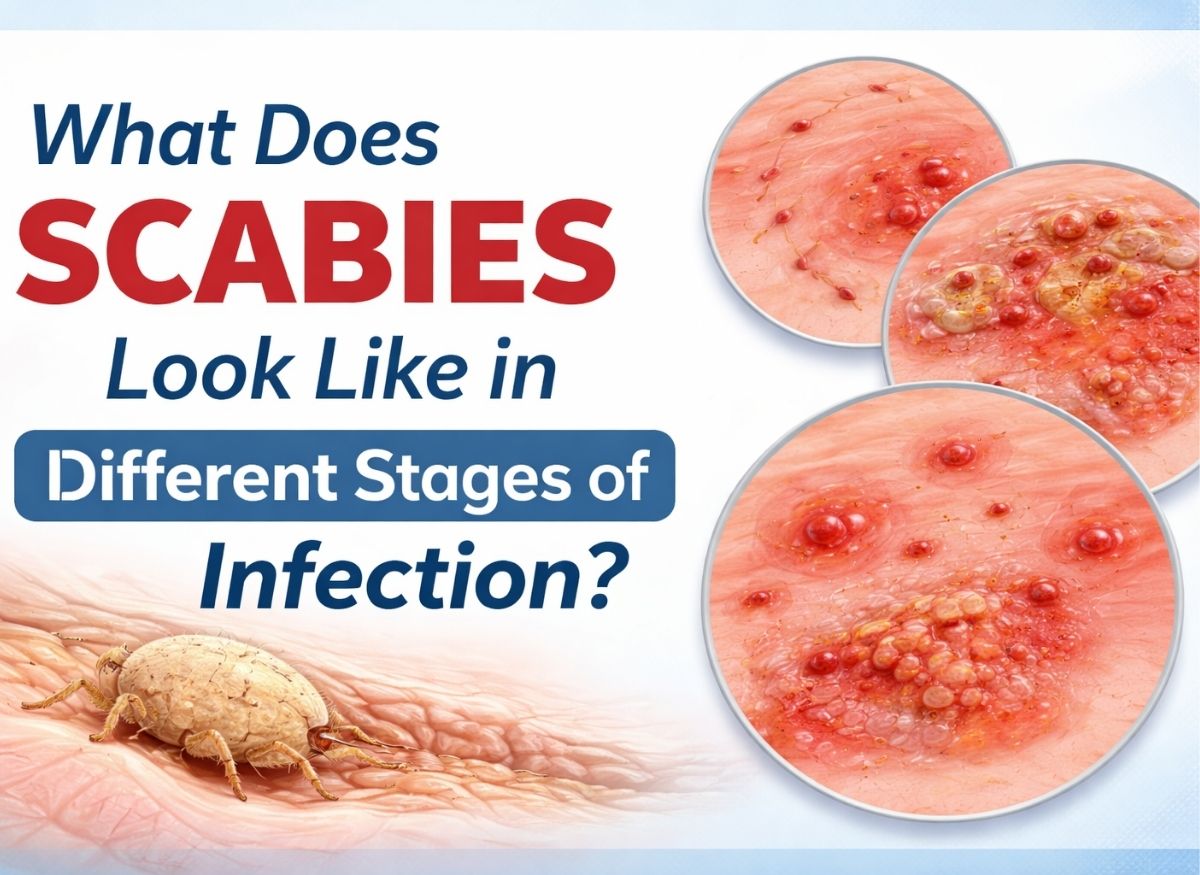
Scabies presents an even more distinct challenge. While human lice live on top of the hair and skin, scabies is caused by a microscopic mite that burrows under the skin. The hallmark of scabies is not lice nits in hair, but rather tiny, raised, grayish lines on the skin known as burrows, often found between the fingers or on the wrists. While both conditions cause intense itching, the “crawling” sensation is unique to an infestation of the human head louse.
Differentiating Nits from Common Look-Alikes
The most frequent misdiagnosis occurs when people mistake dandruff or hair product buildup for a lice egg. The “flick test” remains the gold standard for identification: if the speck flies away when you blow on it or brush it, it is likely dandruff or a hair cast. A headlice egg is fused to the hair with a waterproof glue that is notoriously difficult to break.
Furthermore, many people confuse nits with “DEC plugs”, small oil deposits from the scalp. While these may look like a lice egg, they are usually irregularly shaped and, most importantly, they slide easily up and down the hair strand. A true lice nits in hair specimen will be found within a quarter-inch of the scalp and will remain stubbornly in place until removed with a fine-toothed comb or fingernails. Understanding these biological distinctions ensures that you apply the correct hair lice treatment at home only when it is truly necessary.
The Most Effective Tools for Detecting and Removing Nits
To successfully clear an infestation of the human head louse, the quality of your equipment is just as important as your technique. Because human head lice are evolved to be stealthy and their eggs are cemented with a waterproof bond, standard bathroom combs are completely ineffective. The goal of a hair lice treatment at home is to physically interrupt the life cycle, which requires tools that can grip a lice egg that is less than a millimeter wide.
The Superiority of the Metal Nit Comb
The single most critical tool for lice removal home remedies is a high-quality, fine-toothed metal nit comb. While plastic combs are often included in over-the-counter kits, their teeth are flexible and tend to bow outward, allowing adult lice and smaller nits to slip through the gaps. In contrast, professional metal combs feature rigid, stainless steel teeth that remain perfectly parallel.
Some of the most effective versions, such as the “Terminator” style combs, have micro-grooved or spiral-threaded teeth. These grooves create tiny “serrations” that act like a file, catching the side of the lice nits in hair and dragging them off the shaft with much more force than a smooth tooth could provide.
Lighting, Magnification, and Sectioning
Because the human louse actively avoids light and nits are often translucent, a standard overhead room light is rarely sufficient for a proper check. To get rid of lice naturally and effectively, you need a high-intensity, direct light source like a focused desk lamp or even a headlamp, which leaves both of your hands free for combing. Using a magnifying glass or a dedicated “nit-light” (a magnifier with built-in LEDs) is highly recommended, especially when checking a black person with lice or individuals with very fine, light-colored hair where a headlice egg may blend in perfectly.
To ensure a systematic and thorough removal, hair sectioning clips are indispensable. Without them, it is nearly impossible to keep track of which strands have been cleared and which still harbor adult lice. By dividing the hair into four to six sections, you can methodically work through each square inch of the scalp. This organization is the only way to guarantee that you have checked the “hot spots” at the nape of the neck and behind the ears, where the human head louse is most likely to cluster.
The Wipe-and-Inspect Method
A crucial but often overlooked part of the best home remedy for lice is the use of white paper towels or a bowl of soapy water during the combing process. After every single pass through a section of hair, the comb must be wiped clean. Using a white surface makes it easy to spot the evidence: the adult louse will appear as a tiny, brownish-gray speck with legs, while the lice nits in hair will look like yellowish-tan teardrops. This immediate feedback allows you to see exactly which areas of the head have the highest concentration of human lice, helping you focus your efforts where they are needed most.
By combining these specialized tools with a “wet-combing” approach, using a thick conditioner to immobilize the adult lice, you can achieve a higher success rate than many chemical shampoos alone. The physical removal of every head lice egg is the only foolproof way to ensure the infestation does not return a week later when the next generation hatches.
Can You Get Lice from Pillows, Hats, or Headphones?
The concern over contracting a human louse from furniture or personal items is a common source of stress during an outbreak, but scientific evidence suggests these “fomite” transmissions are actually quite rare. While the thought of a human head louse on a pillow or a hat is unpleasant, the biology of the parasite makes such scenarios unlikely to result in a new infestation. Because human head lice have evolved to require the specific warmth, humidity, and constant food source provided by the human scalp, they are incredibly fragile once they are separated from their host.
An adult louse that falls onto a couch or is left in a pair of headphones will typically begin to dehydrate and starve almost immediately. In most cases, a louse cannot survive for more than 24 to 48 hours away from a human head. Furthermore, because the human louse lacks the ability to jump or fly, it cannot “attack” a new person from a distance; it would need to be physically transferred by sharing a hat or brush almost immediately after an infested person used it. Even if a lice egg were to fall onto a pillowcase, it would be unable to hatch at room temperature, as nits require the consistent heat of the scalp to incubate.
This biological dependency means that home remedies for lice should prioritize the person’s scalp rather than deep-cleaning the entire house. While it is a good precaution to wash bedding, hats, and recently worn clothing in hot water (at least 130°F), there is no need for expensive “lice-proofing” services for carpets or upholstery. Most adult lice found on inanimate objects are already dying or too weakened to successfully migrate to a new host. The most effective hair lice treatment at home remains a focused, systematic combing to remove every adult louse and headlice egg from the hair itself.
Focusing on environmental cleaning often distracts from the real culprit: direct head-to-head contact. Whether you are dealing with a black person with lice or a child in a crowded classroom, the infestation is almost always passed during a hug, a shared selfie, or leaning over a book together. By understanding that the human head louse is an “obligate parasite” that needs a human to survive, you can save your energy for the meticulous nit-combing required to kill lice naturally and effectively.
Conclusion
Dealing with lice may not be pleasant, but with the right knowledge and early intervention, it’s entirely manageable. By knowing the common lice symptoms to look for, you can spot an infestation before it spreads and starts causing more discomfort. Early detection allows for quicker treatment, reducing the risk of re-infestation and making the entire process of elimination easier on both you and your family. If you or a loved one starts showing signs of lice, don’t wait—acting quickly can save time and help restore peace of mind.
Whether you’re a parent, teacher, or caregiver, understanding the warning signs of lice is an important part of maintaining hygiene and preventing the spread of this common problem. By keeping an eye out for the symptoms and treating them promptly, you can ensure a successful lice-free recovery.
Read more: Septic Symptoms in Children vs Adults: What to Watch For
FAQ
What are the most common symptoms of lice?
The most common symptoms associated with a lice infestation include intense itching, particularly on the scalp, which is caused by an allergic reaction to the bites. This itching can become quite bothersome, especially at night. Other signs to look out for are the presence of visible nits, which are tiny, oval-shaped eggs that are attached to the hair shafts, often near the scalp.
In addition to itching, you may notice red or irritated bumps on the skin caused by the lice bites. In some cases, a person may also experience a tickling sensation in the hair, as the lice move around. If the infestation becomes severe, it could also lead to swollen lymph nodes around the neck, which is a sign of the body’s immune response to the parasites.
How do you know if you have lice?
The most reliable way to confirm whether you have a lice infestation is by closely inspecting your scalp or your child’s scalp. Lice are small, typically about the size of a sesame seed, and although they are quick-moving, they can be seen with the naked eye. Look for any nits, which are the eggs that are firmly attached to the hair shaft, often near the roots, as these can give you a clear indication of the problem.
If you notice itching, visible nits, or the presence of live lice, it’s time to begin treatment. It’s important to check the entire scalp, including behind the ears and at the nape of the neck, where lice often hide. If you’re unsure or unable to spot them, a healthcare provider can help confirm the presence of lice through a thorough examination.
Can lice cause hair loss?
Lice themselves do not directly cause hair loss, but the intense itching they cause can lead to excessive scratching. Over time, frequent scratching of the scalp can lead to skin irritation or even open wounds that may become infected. In severe cases, these infections could affect the hair follicles, resulting in hair loss.
However, hair loss due to lice infestations is uncommon and typically happens only when the infestation is not treated for a prolonged period. If treated promptly, the issue can be resolved without any permanent damage to the hair. To avoid hair loss, it’s important to begin treatment as soon as possible, and to avoid scratching the scalp excessively.
How quickly can you spot lice?
Lice infestations are often noticeable within one to two weeks after the initial exposure. However, it can take several days or even weeks for symptoms such as itching to appear, as the body reacts to the bites. The lice themselves may not be immediately visible due to their small size and quick movement.
Conducting regular checks, particularly if you or your child have been in close contact with others such as at school, daycare, or sleepovers, can help you catch an infestation early. The longer lice are left untreated, the more difficult it can be to control the spread, so it’s important to stay vigilant and check for symptoms if you suspect an infestation.
What should I do if I think I have lice?
If you suspect that you or your child may have a lice infestation, the first step is to thoroughly check the scalp for any signs . Use a fine-toothed comb to part the hair and carefully inspect areas behind the ears and at the back of the neck. If you find any evidence of lice, the next step is to treat the infestation with an over-the-counter treatment, such as a medicated shampoo or lotion, that is specifically designed to kill lice and their eggs.
You should also wash all clothing, bedding, and personal items, such as combs and hats, in hot water to prevent the lice from re-infesting. If the over-the-counter treatment doesn’t seem to work, or if you find that the lice return, it’s best to consult a healthcare provider for prescription-strength treatments or alternative solutions.
Sources
- Centers for Disease Control and Prevention (CDC) – Head Lice
- Mayo Clinic – Head Lice Symptoms and Causes
- American Academy of Pediatrics – Head Lice
- WebMD – Lice Symptoms and Treatment
- National Institutes of Health – Head Lice (National Library of Medicine)
- Healthline – What You Need to Know About Lice