What Are Gallstones? Understanding Causes, Gallbladder Pain Location, Early Signs, and How to Prevent Them
It often starts in a way that feels easy to overlook. A slight discomfort after eating. A sense of fullness or pressure in the upper abdomen. A feeling that something is not quite right, but not serious enough to disrupt daily routines. For many people, these sensations come and go quietly, blending into common experiences like indigestion or tiredness.
Gradually, the pattern begins to shift. The discomfort returns more often. It shows up after certain meals and lasts longer than expected. Over time, it raises a quiet question: could these be early signs of gallstones, and is something more specific happening inside the body?
One of the reasons gallstones are difficult to identify early is that they rarely cause sudden or dramatic symptoms at the beginning. Instead, they tend to develop slowly. Some people only notice mild digestive changes, while others eventually experience more noticeable discomfort as the condition progresses. Recognizing these symptoms requires paying attention to patterns rather than isolated moments. When bile flow becomes disrupted, even slightly, the body responds with signals that may seem minor at first. However, these changes often follow a gradual progression, becoming clearer and more consistent over time.
The Primary Signs of Gallstones
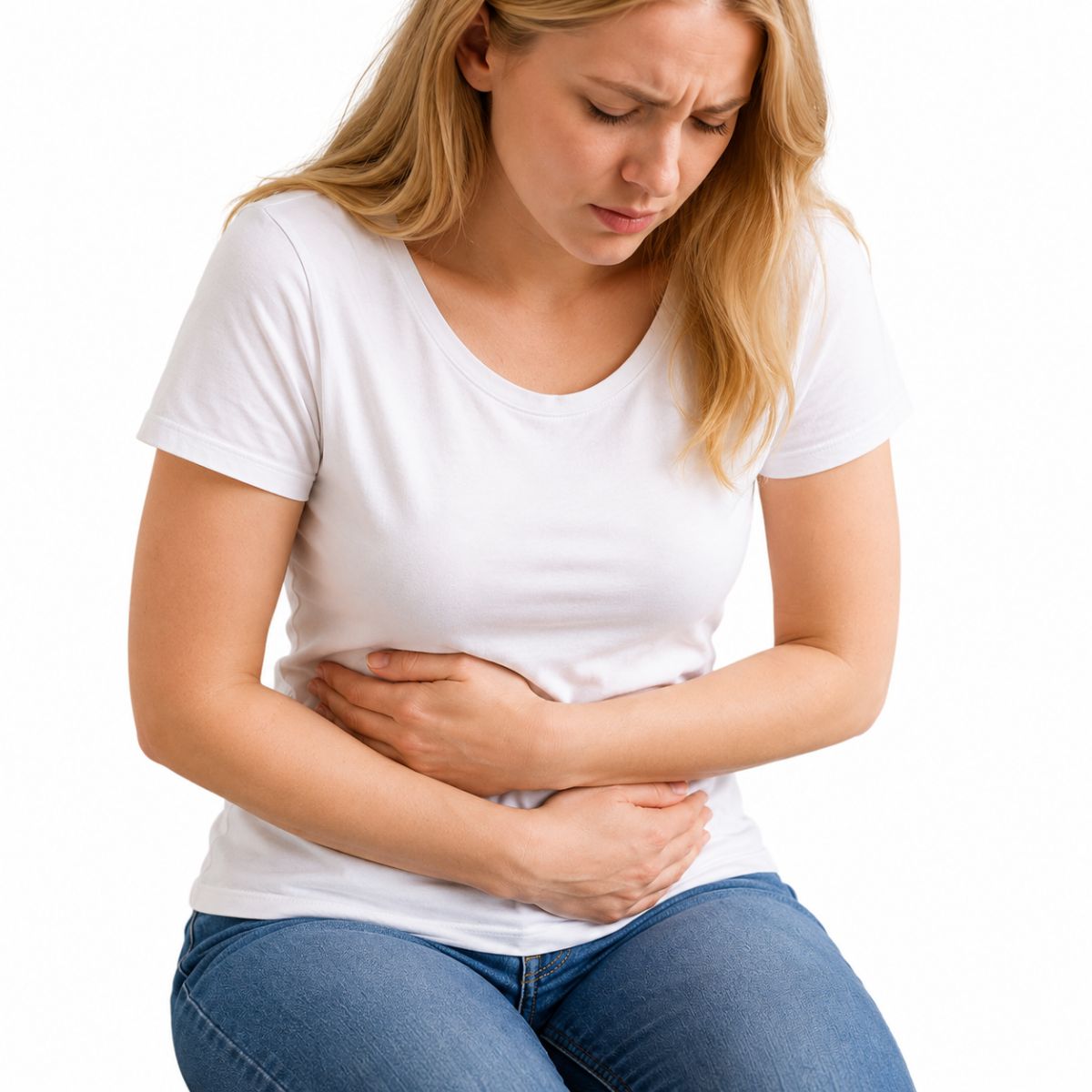
The primary signs of gallstones typically appear as a sudden episode of intense pain in the upper right abdomen, often accompanied by nausea and vomiting. This cluster of symptoms is commonly known as a gallbladder attack or biliary colic. These symptoms occur when a gallstone temporarily blocks a bile duct, preventing bile from flowing properly. As a result, the gallbladder contracts forcefully against the obstruction, creating pressure and triggering severe discomfort.
Recognizing the early signs of gallstones is important because they can easily be mistaken for other digestive issues. Understanding the specific pattern of pain and associated symptoms helps distinguish gallbladder problems from common stomach discomfort and ensures timely medical attention.
What Does Gallbladder Pain Feel Like?
Pain caused by gallstones, medically referred to as biliary colic, is typically sudden, intense, and difficult to ignore. It often begins as a sharp or cramping sensation in the upper right abdomen or the center of the abdomen just below the breastbone.
Unlike ordinary stomach pain, this discomfort does not improve with movement, passing gas, or using the bathroom. Instead, it builds quickly and can feel like a constant, deep ache or pressure that becomes overwhelming. Gallstone-related pain frequently occurs in the evening or at night, especially after eating a heavy or fatty meal. This is because fat intake triggers the gallbladder to contract, which can worsen symptoms if a stone is present.
The pain usually intensifies within 15 to 60 minutes and remains steady for a period that can last from 30 minutes to several hours. As the episode resolves, the discomfort gradually fades. One of the most distinctive features of gallstones is referred pain. This means the discomfort may spread beyond the abdomen to the back, particularly between the shoulder blades, or to the tip of the right shoulder. This happens due to shared nerve pathways and is a hallmark sign of gallbladder-related pain.
What Are the Common Symptoms of a Gallbladder Attack?
A gallbladder attack caused by gallstones is defined by severe abdominal pain along with several additional symptoms. These occur when a stone blocks the cystic duct, leading to a buildup of pressure inside the gallbladder.
- Severe Upper Abdominal Pain: This is the most prominent symptom. The pain is usually located in the upper right side of the abdomen or in the center. It begins suddenly, intensifies quickly, and can remain severe for several hours.
- Pain Radiating to the Back or Shoulder: Pain from gallstones often spreads to the back or right shoulder due to referred pain. This pattern is a key indicator that the discomfort is linked to the gallbladder rather than other digestive issues.
- Nausea and Vomiting: The intensity of the pain often triggers nausea and vomiting. These symptoms are common during a gallbladder attack and are part of the body’s response to severe internal discomfort.
- Fever and Chills: If the blockage leads to inflammation or infection, symptoms such as fever and chills may develop. This can indicate conditions like acute cholecystitis or infection of the bile ducts and requires immediate medical attention.
- Jaundice and Digestive Changes: In more serious cases, when a gallstone blocks the common bile duct, additional symptoms may appear. These include yellowing of the skin and eyes (jaundice), dark urine, and pale or clay-colored stools. These signs suggest that bile flow is significantly disrupted.
Why Recognizing Gallstones Symptoms Matters
The symptoms of gallstones can range from mild discomfort to severe, debilitating pain. Because they often mimic other digestive conditions, they are sometimes overlooked or misinterpreted.
Understanding the characteristic signs, especially the pattern of pain and its triggers, can help identify gallbladder-related issues early. Prompt recognition allows for proper evaluation and reduces the risk of complications such as infection or pancreatitis. By paying attention to these warning signs, it becomes easier to take the right steps toward diagnosis and effective management of gallstones.
The Main Causes of Gallstones
The main causes of gallstones are chemical imbalances within bile, primarily involving an oversaturation of cholesterol or an excess of bilirubin. These imbalances disrupt the normal solubility of bile components, causing substances that are usually dissolved to precipitate into solid, crystal-like deposits within the gallbladder.
The liver continuously produces bile, a digestive fluid composed of cholesterol, bile salts, phospholipids, and waste products like bilirubin. This fluid is stored and concentrated in the gallbladder between meals. Under healthy conditions, bile salts and phospholipids act as stabilizing agents, keeping cholesterol dissolved in a liquid state. However, when the proportion of cholesterol becomes too high or the concentration of bile salts becomes insufficient, this balance breaks down. As a result, cholesterol begins to crystallize, forming the foundation of most gallstones.
In addition to cholesterol imbalance, elevated levels of bilirubin can also contribute to gallstone formation. Bilirubin is produced during the breakdown of red blood cells, and when present in excess, it can bind with calcium in bile to form pigment stones. While these are less influenced by diet, they are still a significant cause of gallstones in certain medical conditions.
Another critical factor is gallbladder motility. The gallbladder must contract regularly to empty bile into the small intestine. When this process is impaired, bile remains stagnant and becomes increasingly concentrated. This condition, known as biliary stasis, creates an ideal environment for crystals to grow and aggregate into stones.
To better understand how these imbalances develop, it is important to examine the underlying physiological processes and the key risk factors that predispose individuals to gallstones. These factors often interact, including metabolic changes, dietary patterns, hormonal influences, and gallbladder function. Together, they create conditions within the gallbladder that promote the gradual formation and growth of gallstones over time.
How do gallstones form in the gallbladder?
Gallstones form within the gallbladder when substances in the bile, most commonly cholesterol and bilirubin, become overly concentrated and solidify into hard particles, or when the gallbladder fails to empty its bile content effectively. This process can be categorized based on the primary component of the stones, resulting in two main types: cholesterol stones and pigment stones. The formation mechanism for each is distinct but ultimately leads to the same outcome of solid deposits accumulating in the gallbladder.
Specifically, the two primary pathways for gallstone formation are:
- Cholesterol Stone Formation: These are the most prevalent type, accounting for approximately 80% of all gallstones, and they typically appear yellow-green in color. Their formation is a multi-step process. First, the liver must secrete bile that is supersaturated with cholesterol. Normally, bile contains sufficient chemical compounds, such as bile salts and lecithin, to keep cholesterol dissolved. However, if the liver produces more cholesterol than the bile salts can dissolve, the excess cholesterol can no longer stay in a liquid state. Second, this excess cholesterol begins to form microscopic crystals. Third, these crystals aggregate and grow over time, eventually forming macroscopic stones. Poor gallbladder motility, or the inability of the gallbladder to contract and empty completely, is a significant contributing factor. When bile remains in the gallbladder for too long, it becomes more concentrated, further promoting cholesterol crystallization and stone growth.
- Pigment Stone Formation: These stones are smaller, darker, and composed primarily of bilirubin, a yellowish pigment produced during the breakdown of red blood cells. Pigment stones form when there is an excess of bilirubin in the bile. This can happen in individuals with certain medical conditions, such as liver cirrhosis or specific genetic blood disorders like sickle cell anemia, which cause a high rate of red blood cell turnover. The excess unconjugated bilirubin combines with calcium to form hard, dark brown or black stones within the gallbladder and bile ducts. Biliary tract infections can also contribute to the formation of brown pigment stones.
The primary risk factors for developing gallstones
The primary risk factors for developing gallstones are a combination of non-modifiable factors like genetics, age, and female sex, along with modifiable lifestyle factors such as obesity, rapid weight loss, and a diet high in fat and cholesterol. These factors contribute to the chemical imbalances in bile and poor gallbladder function that underlie stone formation. Understanding these risks can help in identifying individuals who are more susceptible to the condition.
More specifically, these risk factors can be grouped into distinct categories:
Non-Modifiable Risk Factors:
- Being Female: Women are two to three times more likely than men to develop gallstones. This is largely attributed to the hormone estrogen, which can increase the cholesterol content of bile and decrease gallbladder contractions. Pregnancy and the use of hormonal birth control or hormone replacement therapy further elevate this risk.
- Age: The risk of gallstones increases with age. Individuals over the age of 40 are significantly more likely to develop them, as bile composition can change and gallbladder function may decline over time.
- Family History and Genetics: Having a close family member with gallstones increases your personal risk, suggesting a strong genetic component.
- Ethnicity: Certain ethnic groups, including Native Americans and Mexican-Americans, have a genetically higher predisposition to developing gallstones due to a higher tendency to secrete cholesterol in their bile.
Modifiable and Health-Related Risk Factors:
- Obesity: Being overweight or obese is one of the most significant risk factors. Obesity increases the amount of cholesterol the liver produces, leading to cholesterol-supersaturated bile.
- Rapid Weight Loss: Losing weight very quickly, such as through very low-calorie diets or after bariatric surgery, can paradoxically trigger gallstone formation. During rapid weight loss, the liver secretes extra cholesterol into the bile, and fasting can decrease gallbladder contractions.
- Diet: A diet high in processed foods, unhealthy fats, and cholesterol, and low in fiber, is associated with an increased risk of gallstones.
- Medical Conditions: Certain diseases increase the risk, including diabetes (often associated with high triglycerides), Crohn’s disease (which affects nutrient absorption), and liver diseases like cirrhosis.
The Early Warning Signs of Gallstones
The early warning signs of gallstones are often subtle and easy to overlook, typically presenting as non-specific digestive symptoms such as indigestion, bloating, excessive belching, and a persistent feeling of fullness, especially after eating fatty or greasy foods. These symptoms occur because gallstones can interfere with the normal flow of bile, which is essential for breaking down dietary fats.
Unlike the intense and unmistakable pain of a gallbladder attack, these early symptoms tend to be mild, intermittent, and unpredictable. They may appear shortly after meals and then resolve on their own, which makes them easy to dismiss as common digestive discomfort. However, these recurring patterns can signal that bile flow is already being partially disrupted by the presence of gallstones, even before a full obstruction occurs.
In many cases, individuals may also notice a growing sensitivity to certain foods, particularly those high in fat. Meals that were previously well tolerated may begin to cause discomfort, suggesting that the gallbladder is struggling to release bile efficiently. Over time, these subtle digestive changes can become more frequent, indicating a gradual progression in gallstone development.
However, a significant portion of individuals with gallstones experience no symptoms at all, which makes early detection particularly challenging. To fully understand the early presentation of this condition, it is important to consider both asymptomatic gallstones and the mild warning signs that may precede a more severe episode.
You Can Have Gallstones Without Any Symptoms
It is not only possible but also very common to have gallstones without experiencing any symptoms. These are known as “silent” or asymptomatic gallstones, and they often remain harmless for long periods of time without requiring treatment.
In fact, the majority of people with gallstones—estimated to be up to 80%—are completely unaware of their presence. These stones can remain in the gallbladder for years, or even a lifetime, without causing pain or interfering significantly with bile flow. Because they do not produce noticeable symptoms, they are generally not considered a medical concern unless complications arise.
More specifically, silent gallstones are frequently discovered incidentally during imaging tests performed for unrelated reasons. For example, an abdominal ultrasound, CT scan, or MRI ordered for another condition may reveal gallstones unexpectedly. In these cases, the standard medical approach is often “watchful waiting,” meaning no immediate intervention is required.
Preventive surgery, such as gallbladder removal (cholecystectomy), is typically not recommended for asymptomatic gallstones. This is because the risks associated with surgery often outweigh the relatively low chance of the stones causing future symptoms. Research suggests that only about 1–2% of individuals with silent gallstones develop symptoms each year.
However, while asymptomatic gallstones may remain stable, any new or changing symptoms should be taken seriously. The transition from silent to symptomatic gallstones can occur if a stone begins to obstruct bile flow, leading to the more recognizable signs of a gallbladder attack.
The subtle or initial symptoms of gallbladder issues
The subtle or initial symptoms of gallbladder issues often manifest as chronic or recurring digestive discomfort that can easily be mistaken for other conditions, including indigestion, bloating, excessive gas or belching, and a persistent feeling of fullness after eating. These symptoms are typically less severe and more vague than the intense pain of a gallbladder attack, but they signal that the gallbladder may not be functioning optimally, often due to the presence of stones. This low-grade discomfort is frequently triggered by the consumption of fatty, fried, or greasy foods, as these meals place a higher demand on the gallbladder to release bile for fat digestion.
To illustrate, these early, non-specific symptoms can include:
- Chronic Indigestion (Dyspepsia): This is a general term for discomfort or pain in the upper abdomen. With early gallbladder issues, it may feel like a persistent upset stomach, especially following meals. The gallbladder’s role is to release a concentrated burst of bile to break down fats; if stones interfere with this process, fat digestion is impaired, leading to discomfort.
- Bloating, Gas, and Belching: When fat is not properly digested in the small intestine due to inefficient bile flow, it can lead to fermentation by gut bacteria, producing excess gas. This can result in a feeling of being uncomfortably bloated, increased flatulence, and frequent belching.
- Feeling of Fullness (Early Satiety): Some individuals report a feeling of being full very quickly when eating or an uncomfortable sense of fullness that lasts for a long time after a meal, even a small one.
- Occasional, Mild Upper Abdominal Discomfort: Unlike the severe, steady pain of biliary colic, early symptoms may include a fleeting, dull, or cramping pain in the upper right abdomen. This discomfort might come and go and is often not severe enough to prompt a visit to the doctor, leading many to dismiss it as a minor, temporary issue.
What are the potential complications if gallstones are left untreated?
While many people live with “silent” gallstones without any issues, ignoring symptomatic gallstones can lead to a range of serious and potentially life-threatening complications. When a gallstone becomes lodged and blocks the flow of bile, it can cause severe inflammation and infection. The most common complication is acute cholecystitis, which is the sudden inflammation of the gallbladder. This condition causes severe, persistent pain, fever, and requires immediate medical attention, often leading to hospitalization and surgical removal of the gallbladder (cholecystectomy). If the infection becomes severe, it can lead to tissue death (gangrene) or a tear in the gallbladder wall, which is a medical emergency. Another significant risk is the blockage of the bile ducts outside the gallbladder.
When gallstones migrate out of the gallbladder, they can cause blockages in critical passageways, affecting other organs and leading to systemic problems.
- Blockage of the Common Bile Duct (Choledocholithiasis): If a stone blocks the common bile duct, it prevents bile from reaching the small intestine. This can cause severe pain, jaundice (yellowing of the skin and eyes), dark urine, and a severe infection of the bile duct known as acute cholangitis, which is life-threatening.
- Blockage of the Pancreatic Duct (Gallstone Pancreatitis): The common bile duct and the pancreatic duct join before entering the small intestine. A gallstone can block this junction, trapping digestive fluids in the pancreas and causing pancreatitis—a painful and dangerous inflammation of the pancreas that requires urgent hospitalization.
- Increased Cancer Risk: Although rare, a long history of gallstones and chronic gallbladder inflammation is a significant risk factor for developing gallbladder cancer. Chronic irritation of the gallbladder wall by stones can lead to cellular changes over time that may become cancerous.
Gallbladder pain is different from kidney stone pain
While both gallbladder and kidney stones can cause intense, sharp abdominal pain, the nature, location, and associated symptoms are distinctly different, which helps in differentiating between the two conditions. Gallbladder pain, medically known as biliary colic, typically manifests in the upper right quadrant of the abdomen, just below the rib cage. A key characteristic is its potential to radiate to the center of the abdomen, the back between the shoulder blades, or up to the right shoulder.
This pain often occurs in episodes or “attacks” that can last from 30 minutes to several hours and is frequently triggered after consuming a fatty or heavy meal, as fat stimulates the gallbladder to contract and release bile. Associated symptoms are primarily digestive and include nausea, vomiting, bloating, and indigestion. The urine and stool color typically remain normal unless a bile duct is completely blocked, which can cause jaundice (yellowing skin) and dark urine.
In contrast, kidney stone pain, or renal colic, originates from a different area and has a different pattern of radiation and accompanying symptoms.
- Pain Location and Radiation: Kidney stone pain usually starts in the flank area—the side and back, just below the ribs. From there, the pain is notorious for radiating downward toward the lower abdomen and groin. It is often described as one of the most severe types of pain, coming in sharp, cramping waves as the body tries to push the stone through the narrow ureter.
- Associated Urinary Symptoms: Unlike gallbladder pain, kidney stone pain is directly linked to the urinary system. Common symptoms include a persistent need to urinate, pain or burning during urination (dysuria), urinating in small amounts, and changes in the urine’s appearance, such as becoming cloudy, foul-smelling, or pink, red, or brown due to the presence of blood (hematuria).
- Triggers and Other Signs: Kidney stone pain is not triggered by food. Systemic symptoms like fever and chills can occur if a urinary tract infection develops as a complication.
Conclusion
Understanding gallstone symptoms is not about identifying a single, obvious sign. In many cases, the body does not present a clear or immediate warning. Instead, it communicates through small, repeated changes that gradually become more noticeable.
What may begin as subtle digestive discomfort, such as a feeling of fullness or mild pressure after eating, can gradually progress to more distinct episodes of pain.
These experiences are not isolated. They are connected by the body’s response when bile flow is disrupted. Each episode, whether mild or more intense, reflects the same underlying process. The difference lies in the frequency with which it occurs and the strength of the body’s response.
By paying closer attention to these recurring patterns, it becomes easier to recognize what the body is signaling. Rather than focusing on a single moment of discomfort, it is more useful to observe how those moments relate to one another over time.
Clarity does not arise from reacting to a single symptom in isolation. It comes from understanding the progression—how small changes build into a pattern that reveals a deeper issue.
FAQs
What are the most common gallstone symptoms?
The most common gallstone symptoms typically begin with discomfort in the right upper quadrant of the abdomen, especially after meals high in fat. At first, this may feel like pressure, fullness, or a heaviness that lingers longer than expected.
Over time, the discomfort can become more noticeable and develop into a deeper, more persistent pain. Some people also experience bloating, nausea, or digestive unease, which can make the symptoms easy to confuse with ordinary indigestion in the early stages.
Can gallstones cause symptoms without pain?
Yes, gallstones can cause symptoms without producing severe pain. In some cases, the earliest signs are more digestive than painful, such as feeling unusually full after meals, mild nausea, bloating, or discomfort after eating fatty foods.
This can happen when bile flow is only partially disrupted rather than fully blocked. Because these early changes are subtle, they are often overlooked until the pattern becomes more obvious over time.
Where is gallbladder pain located?
Gallbladder pain is typically located in the right upper quadrant of the abdomen, just beneath the right costal margin. However, the pain does not always stay in that one area.
It may spread to the back or the right shoulder because of the way nerves in that region carry pain signals. This is one reason gallstone pain can feel different from ordinary stomach discomfort, which usually stays more localized and may resolve more quickly.
What are the first signs of a bad gallbladder?
The first signs of a bad gallbladder are often subtle rather than dramatic. Many people initially notice digestive discomfort, such as postprandial pressure, bloating, mild nausea, or a sense that fatty meals are more difficult to tolerate than before.
These early symptoms of gallbladder problems may not seem serious at first, but they often follow a pattern and gradually become easier to recognize. As the condition progresses, these milder signs may progress to more pronounced gallbladder pain or recurrent postprandial discomfort.
Are gallbladder symptoms in women different?
Gallbladder symptoms in women can sometimes be easier to miss in the beginning because they may overlap with other common digestive or hormonal complaints. Women are more likely to develop gallstones, partly because hormones such as estrogen can influence bile composition and increase the likelihood of stone formation.
In practical terms, this means symptoms may begin with subtle digestive discomfort before more obvious pain appears. Paying attention to recurring patterns, especially after meals, is often more useful than waiting for a severe episode.
When should I see a doctor for gallstone symptoms?
You should seek medical attention if gallstone symptoms become frequent, more intense, or start interfering with daily life. A mild episode of discomfort once may not always indicate a serious problem, but recurrent postprandial pain warrants attention.
More urgent evaluation is important if symptoms are accompanied by fever, vomiting, yellowing of the skin or eyes, or pain that does not settle. These signs may suggest more serious symptoms of gallbladder problems, such as prolonged blockage or inflammation, and should not be ignored.
Read more: 10 Warning Signs of Diabetes You Should Never Ignore