Everything To Know About Using Magnesium in a Woman’s Daily Life
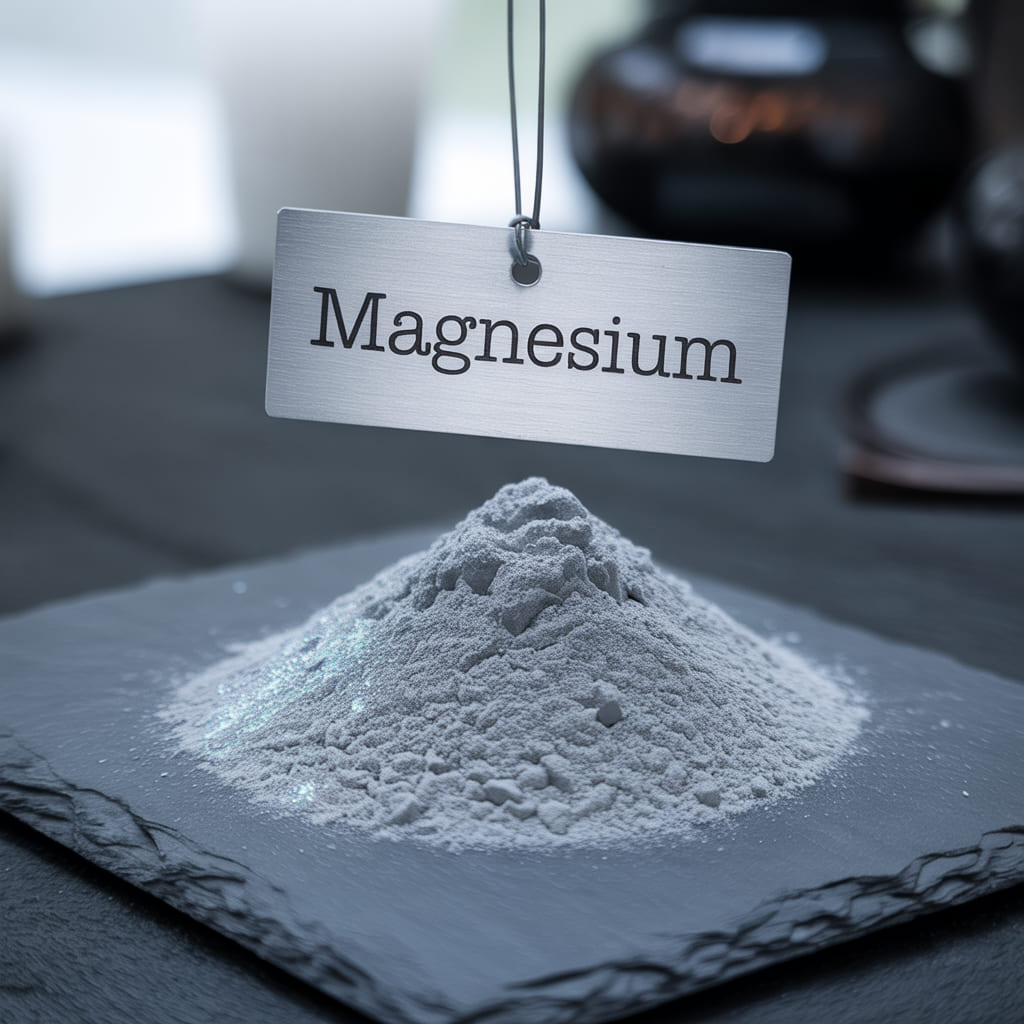
If there’s one mineral that quietly works behind the scenes in a woman’s body every single day, it’s magnesium. You don’t hear about it as often as calcium or iron, but using magnesium plays a role in over 300 biochemical reactions.
Yet many women are unknowingly deficient in magnesium. Lifestyle habits like caffeine, alcohol, stress, and processed foods deplete it quickly. Combine that with hormonal shifts during periods, pregnancy, and menopause, and it’s easy to see why using magnesium deserves a front-row seat in daily wellness.
In this guide, we’ll explore what magnesium does, why women need it, how to spot a deficiency, and the best ways to include it in your routine.
Why Using Magnesium Matters for Women
Magnesium is like the “calm mineral.” It helps relax muscles, regulate nerves, and keep your heartbeat steady.
For women, its benefits go even deeper. It helps reduce PMS symptoms, supports bone health, balances mood, and even plays a role in fertility. Without enough magnesium, you may feel fatigued, anxious, or struggle with headaches and muscle cramps.
Think of magnesium as a daily stabilizer. It keeps your hormones, energy, and nervous system balanced so you can move through your day feeling more grounded.
Key Benefits of Magnesium in a Woman’s Daily Life
Supports Hormonal Balance and Eases PMS
Many women notice bloating, cramps, and irritability before their period. Magnesium helps relax the uterine muscles, reduce prostaglandins (which cause cramps), and ease water retention.
Boosts Energy and Reduces Fatigue
Magnesium is required to convert food into energy. Without it, you might feel drained no matter how much sleep you get. It’s especially important for busy women balancing work, family, and everything in between.
Reduces Stress and Improves Sleep
Magnesium helps regulate cortisol, the primary stress hormone, and increases GABA, a neurotransmitter that promotes calmness. This combination makes it easier to relax and fall asleep at night. Many women notice that increasing their magnesium intake improves both their mood and sleep quality.
Strengthens Bones and Prevents Osteoporosis
While calcium often gets the spotlight for bone health, magnesium is just as important. It helps regulate calcium levels and supports vitamin D activation, making it essential for preventing osteoporosis.
Eases Migraines and Headaches
Magnesium deficiency has been linked to frequent migraines. Supplementation can help relax blood vessels and reduce the severity and frequency of headaches.
Supports Pregnancy and Fertility
During pregnancy, magnesium helps with proper muscle development, prevents leg cramps, and reduces the risk of high blood pressure. It also plays a role in hormone regulation and ovulation, making it helpful for fertility.

Beauty Benefits of Using Magnesium for Women
Magnesium doesn’t just keep your body balanced on the inside; it also shows up in how your skin, hair, and nails look on the outside. A steady supply of magnesium helps maintain a healthy, glowing appearance, making it a quiet but powerful beauty ally.
Glowing Skin
Magnesium helps regulate hormones and calm inflammation, both of which can reduce acne breakouts and redness. It also supports collagen production, which keeps skin firm and youthful.
Stronger Nails
Brittle nails can sometimes signal a magnesium deficiency. By supporting protein synthesis and calcium balance, magnesium helps nails grow stronger and less prone to breaking.
Adding magnesium-rich foods or using a magnesium oil spray on hands and cuticles can keep nails healthier.
Healthier Hair
Because magnesium supports protein production and circulation, it plays a role in healthy hair growth.
A lack of magnesium may lead to brittle strands or even hair thinning. By keeping levels steady, magnesium ensures your hair has the nutrients and oxygen it needs to grow thicker and stronger.
Stress-Free Beauty
One underrated beauty benefit of magnesium is its effect on stress. High stress levels can trigger breakouts, dull skin, and even hair loss.
Magnesium’s calming effect on the nervous system reduces stress markers, which indirectly helps keep your skin clearer and your hair healthier.
How Much Magnesium Do Women Need Daily?
The daily recommended intake varies slightly depending on age and life stage:
- Adult women (19 – 30 years): 310 mg per day
- Adult women (31+ years): 320 mg per day
- During pregnancy: 350 – 360 mg per day
- While breastfeeding: 310 – 320 mg per day
These numbers can be met through a mix of food and supplements, depending on your diet and lifestyle.
Best Food Sources of Magnesium
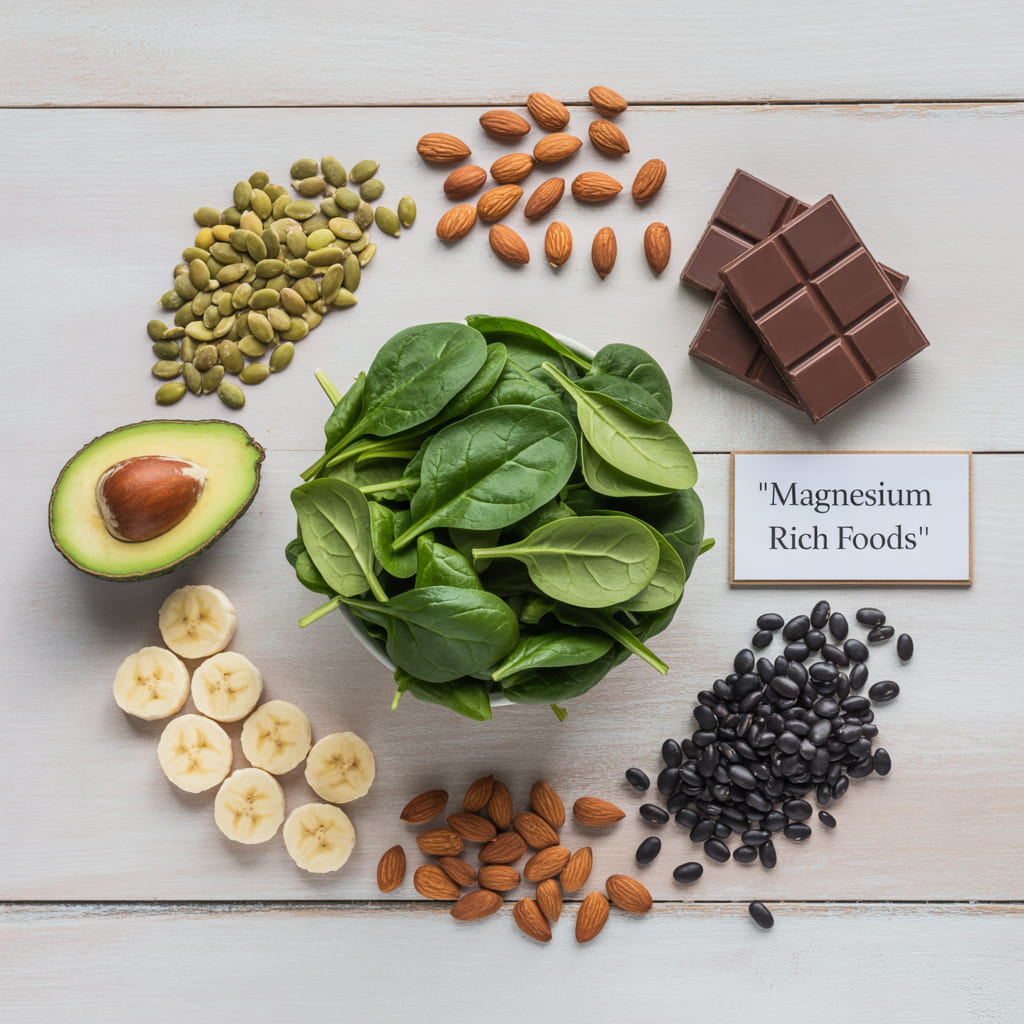
Adding magnesium-rich foods to your diet is the easiest way to increase intake. Some of the best options include:
- Leafy greens like spinach, kale, and Swiss chard
- Nuts and seeds, especially almonds, cashews, pumpkin seeds, and chia seeds
- Whole grains such as quinoa, brown rice, and oats
- Legumes like black beans, chickpeas, and lentils
- Dark chocolate (yes, really!)
- Avocados and bananas
The trick is consistency. Including a variety of these foods daily helps maintain steady magnesium levels.
What You Should Know About Magnesium Supplements
For many women, food alone isn’t enough. Supplements can be helpful, especially if you struggle with stress, sleep, or cramps. But not all forms of magnesium are the same.
- Magnesium glycinate: Gentle on the stomach, great for relaxation, anxiety, and sleep.
- Magnesium citrate: Good for digestion and constipation relief.
- Magnesium malate: Supports energy production and muscle function.
- Magnesium oxide: Less absorbable, often used for short-term relief of constipation.
Always start with a lower dose and work up if needed, since too much magnesium (especially in supplement form) can cause digestive upset.
Practical Tips For Using Magnesium in Daily Life
Incorporating magnesium into your daily routine doesn’t need to be complicated. Here are a few simple ways:
- Add spinach or avocado to your morning smoothie.
- Snack on almonds or pumpkin seeds during the day.
- Enjoy a small square of dark chocolate in the afternoon.
- Take a magnesium glycinate supplement before bed to help with relaxation.
- Use magnesium bath flakes or Epsom salts in your evening bath for muscle relaxation.
- Try a magnesium body lotion or spray if you prefer topical application.
Things to Keep in Mind
While magnesium is generally safe, it’s possible to take too much. Stick to recommended doses and consult your healthcare provider if you’re considering higher supplements.
People with kidney issues should be especially cautious, since magnesium is processed through the kidneys.

Final Thoughts
Magnesium may not get the same attention as other nutrients, but it’s a quiet hero in a woman’s daily life. From easing PMS to reducing stress, improving sleep, and protecting bones, its benefits touch nearly every part of health and wellness.
Using magnesium-rich foods in your meals, experimenting with supplements if needed, and paying attention to your body’s signals can make a big difference in how you feel day to day.
Taking care of yourself as a woman means listening to your body, and magnesium is one of those simple, natural tools that can help you feel more balanced, energized, and resilient.