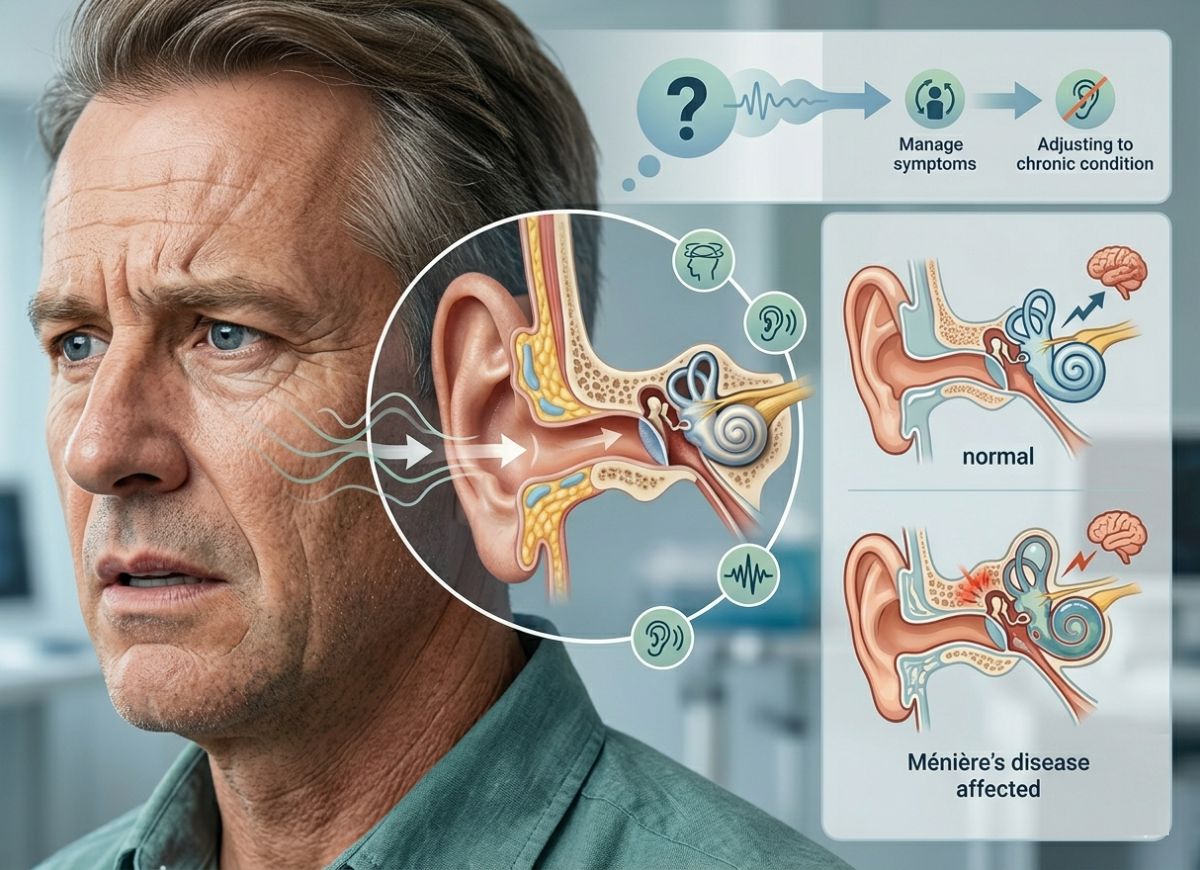
Understanding 5+ Long-Term Effects of Single Sided Deafness on Brain Function
The effects of single sided deafness extend beyond difficulty hearing on one side, they can also influence brain function and cognitive processing over time. Single-sided deafness (SSD) occurs when an individual has normal hearing in one ear and significant or complete hearing loss in the other, which can affect spatial awareness, sound localization, and even memory and attention. While many people adapt to the hearing loss, research suggests that the brain undergoes functional changes to compensate for the lack of auditory input from one side, which can impact auditory processing, communication, and cognitive workload.
Understanding the long-term effects of single sided deafness on brain function is crucial for early intervention, rehabilitation, and improving quality of life. Interventions such as hearing aids, bone-anchored devices, or cochlear implants can help the brain adapt and reduce cognitive strain. This article explores the effects of single sided deafness on neural pathways, cognitive performance, and overall brain function, highlighting strategies to mitigate these effects and support auditory and cognitive health.
Brain Adaptation in Single Sided Deafness: How Does the Brain Reorganize After Hearing Loss in One Ear?
Single-sided deafness (SSD) triggers a profound process of neurological transformation. When an individual experiences hearing loss in one ear, the sudden or progressive loss of sensory input acts as a powerful catalyst for the brain to fundamentally change its structure and function. Rather than allowing the neural pathways connected to the deaf ear to go dormant, the brain leverages neuroplasticity to remap how it perceives the acoustic world. This adaptive change represents the brain’s dynamic capacity to reallocate its resources when faced with a significant alteration in sensory input.
Neuroplasticity in the Context of the Effects of Single Sided Deafness
In the context of SSD, neuroplasticity is a fundamental survival mechanism of the nervous system, rather than a sign of damage. When the auditory pathway from one ear is severed, the corresponding regions in the brain are deprived of their primary stimulus.
To maintain efficiency and interpret the sensory world with the information available, the brain initiates a process of forming new connections (synaptogenesis), strengthening existing ones, and pruning unused ones to create a new functional map. This structural change forces the brain to find alternative ways to process sounds, locate their origin, and comprehend speech.
This adaptation is a multi-faceted process that unfolds over time through several distinct mechanisms:
Repurposing Cortical Real Estate: The brain dedicates specific areas, or “cortical real estate,” to processing different senses. With SSD, the area in the auditory cortex that was previously responsible for the now-deaf ear is suddenly under-stimulated. Neuroplasticity allows this valuable neural territory to be repurposed, meaning it might begin responding to signals from the remaining hearing ear or even be recruited by other sensory systems, such as vision or touch.
Spontaneous Neuronal Activity: The total lack of external input can cause neurons in the deprived auditory cortex to become hyperexcitable and fire spontaneously. This phenomenon is believed to be a major contributing factor to the development of tinnitus (phantom sounds), as the brain attempts to compensate for the missing auditory signals by generating its own internal input.
Functional Rebalancing: The brain operates as a balanced network, and losing input from one side completely disrupts this equilibrium. Neuroplasticity enables the brain to rebalance its hemispheric activity. Communication between the left and right hemispheres via the corpus callosum may be altered to better integrate information from the single hearing ear and create a more unified, albeit altered, auditory perception.
Primary Forms of Brain Reorganization
The brain relies on three interconnected primary forms of reorganization to adapt to a fundamentally altered sensory landscape. Each form addresses a different aspect of unilateral hearing loss, spanning from processing basic sounds to integrating multisensory information for complex tasks like understanding conversation.
Reorganization of the Auditory Cortex
This is the most direct consequence of SSD. The auditory cortex is tonotopically organized, meaning different regions process different sound frequencies. In the hemisphere contralateral (opposite side) to the deaf ear, this organization is profoundly disrupted.
Rather than shutting down, this deprived cortex undergoes significant remapping. Research using functional magnetic resonance imaging (fMRI) shows that this area can become highly responsive to sound presented to the remaining, hearing ear. This suggests that the brain reroutes signals across its hemispheres to make maximal use of the available input, essentially rewiring itself so that the single hearing ear provides information to both auditory cortices (though the processing may be less efficient than the original bilateral system).
Cross-Modal Plasticity
This form of adaptation involves recruiting entirely different sensory systems to assist with auditory tasks. The brain begins to rely much more heavily on visual and somatosensory (touch and spatial awareness) information to compensate for the degraded auditory signal.
Visual Integration: The visual cortex may show heightened activity when a person with SSD is listening to someone speak, indicating a greater reliance on lip-reading and facial cues. The brain strengthens the neural connections between the auditory and visual cortices, allowing for a more seamless integration of sight and sound. This helps the brain “fill in the blanks” and improve speech comprehension, especially in challenging listening environments.
Somatosensory Contribution: In addition to vision, the brain recruits somatosensory information, strengthening reliance on touch and spatial awareness to help process sound-related information across the altered sensory landscape.
Changes in Hemispheric Asymmetry and the Corpus Callosum
Binaural hearing relies on a delicate balance of processing between the brain’s left and right hemispheres. With SSD, this asymmetry is altered. The hemisphere receiving primary input from the remaining hearing ear often becomes more dominant in auditory processing.
The corpus callosum, the thick bundle of nerve fibers connecting the two hemispheres, also plays a crucial role. Studies have shown distinct changes in the structure and integrity of the corpus callosum in individuals with long-term SSD. This suggests that this primary neural pathway adapts to facilitate the new patterns of inter-hemispheric communication required to process sound from a single source and share that information across the entire brain.
Long-Term Effects of Single Sided Deafness: What are the Functional Consequences of Brain Adaptation?
The long-term effects of single sided deafness (SSD) primarily manifest as persistent auditory perception challenges, such as poor sound localization and difficulty with speech in noise. These challenges are coupled with a significant increase in cognitive load and associated emotional impacts. While the brain’s reorganization is an attempt to compensate, it does not fully restore the complex functions of binaural hearing. These long-term effects create daily hurdles that impact communication, social interaction, and overall quality of life, reflecting the functional trade-offs of the brain’s adaptive processes.
Main Auditory Perception Challenges Caused by Brain Adaptation
The main auditory perception challenges caused by brain adaptation in SSD include a severe impairment in sound localization, a significant difficulty in understanding speech in noisy environments, and the frequent development of subjective tinnitus. These three issues are direct results of losing the brain’s ability to compare and contrast inputs from two ears. The brain’s plastic changes, while remarkable, cannot fully replicate the intricate computations required for these functions, leading to a distorted and often confusing auditory experience for the individual.
Poor Sound Localization
- The ability to identify the origin of a sound is critically dependent on the brain comparing the timing and intensity of sound waves arriving at two separate ears.
- The brain calculates the Interaural Time Difference (ITD)—the minuscule delay for a sound to reach the farther ear.
- The brain also calculates the Interaural Level Difference (ILD)—the slight reduction in volume at the farther ear due to the “head shadow” effect.
With only one ear, these binaural cues are completely lost. Because the brain’s reorganization cannot recreate this data, individuals with SSD find it extremely difficult, if not impossible, to determine whether a sound is coming from the left, right, front, or back. This can be disorienting in everyday situations and dangerous when it comes to localizing warning signals like sirens or approaching vehicles.
Difficulty Understanding Speech in Noise
The “cocktail party effect,” or the ability to focus on one speaker in a noisy room, is another casualty of losing binaural hearing. Two ears allow the brain to use spatial cues to segregate sound sources and selectively attend to one.
Furthermore, the head shadow effect becomes a major liability. When speech comes from the side of the deaf ear, the head physically blocks much of the sound from reaching the hearing ear, dramatically reducing speech clarity.
Because background noise is omnipresent and no longer effectively filtered by the brain, the reorganized brain must work much harder to decipher speech from a single, often muddled, auditory stream. This makes conversations in restaurants, meetings, or social gatherings exceptionally challenging and exhausting.
Development of Tinnitus
Tinnitus, the perception of phantom sound like ringing or buzzing, is a very common long-term effect. It is believed to be a maladaptive consequence of neuroplasticity. When the auditory cortex is deprived of external stimulation from the deaf ear, the neurons in that region can become hyperexcitable and begin to fire randomly. The brain interprets this spontaneous neural activity as sound, creating a persistent and often distressing internal noise. This stands as a clear example of how the brain’s attempt to compensate for sensory loss can inadvertently create a new and problematic perceptual phenomenon.
Cognitive and Emotional Impacts Linked to Brain Changes
The primary cognitive and emotional impacts linked to brain changes in SSD are a substantially increased listening effort that leads to cognitive fatigue, and a heightened risk of social withdrawal, anxiety, and depression stemming from chronic communication difficulties. These non-auditory consequences are just as significant as the hearing challenges themselves. They highlight how the brain’s struggle to process a degraded sensory signal consumes finite mental resources and affects an individual’s psychological well-being and ability to engage with the world.
With only one ear, the brain no longer receives a clean, complete auditory signal. It must actively work to decode ambiguous sounds, fill in missing information, and constantly strain to separate speech from background noise. This continuous, intensive processing is known as increased “listening effort”.
This effort draws heavily from the brain’s executive functions—such as attention, working memory, and processing speed—which are managed by the prefrontal cortex. As a result, fewer cognitive resources are available for other tasks. This depletion can manifest as:
- Mental fatigue after social interactions.
- Difficulty concentrating for extended periods.
- Notable memory lapses.
Social Withdrawal, Anxiety, and Emotional Impacts
The constant struggle to communicate effectively takes a significant emotional toll. Individuals with SSD may feel anxious in social situations, fearing they will misunderstand others, respond inappropriately, or have to frequently ask for repetition. This can lead to embarrassment and frustration, causing them to avoid social gatherings, restaurants, and group conversations altogether.
This avoidance can spiral into social isolation, which is a known risk factor for depression. Furthermore, the unpredictability of communication can create a persistent sense of unease and hypervigilance. The combination of mental fatigue and communication anxiety can erode self-confidence and significantly reduce overall quality of life, demonstrating that the effects of SSD extend far beyond the ears and into the core of a person’s social and emotional health.
Compensatory Mechanisms in Effects of Single-Sided Deafness: How Does the Brain Attempt to Make Up for the Loss?
The brain attempts to make up for the effects of single-sided deafness by intensifying its processing of the remaining auditory input and by leveraging cross-modal plasticity to enhance its use of other senses, particularly vision, to aid in auditory comprehension. This adaptive strategy does not restore lost function but rather creates a new, multisensory approach to interpreting the environment. By reallocating neural resources, the brain learns to rely more heavily on visual cues like lip movements and facial expressions, integrating them more deeply with the sound from the good ear to create a more complete perceptual picture.
The Myth of the “Stronger” Good Ear
The ‘good ear’ itself does not physically become stronger or more sensitive to compensate for the deaf ear; instead, the brain dramatically increases its reliance on and allocation of neural resources to the information coming from that single ear. The misconception of the ear becoming “stronger” confuses the peripheral sensory organ with the central processing unit—the brain. The ear’s mechanical function, which involves converting sound waves into electrical signals, remains unchanged.
The true adaptation happens within the brain’s auditory pathways and cortex, where neuroplastic changes make the input from the hearing ear more dominant and influential in shaping auditory perception. This is entirely a matter of neurological re-prioritization, not physiological enhancement of the ear.
Upregulation of Central Gain: In some cases, the brain may increase its “central gain,” which is akin to turning up the volume on the signals it receives from the hearing ear. This doesn’t make the ear hear better, but it makes the brain more sensitive to the signals that ear provides. This can help in quiet environments but may also contribute to hyperacusis (sensitivity to loud sounds) or make it harder to filter out background noise.
Cortical Reallocation: The auditory cortex on both sides of the brain begins to process information coming from the single hearing ear. The hemisphere that would have processed sound from the deaf ear is repurposed to analyze signals from the good ear. This effectively doubles the amount of brainpower dedicated to that one stream of auditory information, but it doesn’t improve the quality or spatial information of the signal itself.
Dominance of Monaural Cues: The brain learns to become more adept at using monaural (one-ear) cues for localization, such as spectral shaping by the outer ear (pinna). While far less effective than binaural cues, this represents the brain maximizing the limited information it has. Therefore, it is not the ear that strengthens, but the brain’s ability to interpret the data from that ear that becomes highly specialized and dominant.
Learning to “Hear with the Eyes” Through Cross-Modal Plasticity
The brain learns to use other senses to compensate for hearing loss through cross-modal plasticity, a process where it strengthens the connections between different sensory cortices, particularly the auditory and visual systems, to create a more integrated and robust multisensory perception. When the auditory signal is unreliable or incomplete, the brain naturally elevates the importance of information from other channels, primarily vision. This allows it to use visual cues, such as lip movements, facial expressions, and body language, not just as supplementary aids but as integral components of speech comprehension.
This compensatory learning involves several specific neurological mechanisms:
Enhanced Audiovisual Integration
In individuals with SSD, the brain becomes significantly better at binding auditory and visual stimuli. Neuroimaging studies have revealed heightened activity in multisensory integration hubs, such as the superior temporal sulcus (STS), when these individuals are presented with audiovisual speech. This area is crucial for matching the sounds of speech (phonemes) with the corresponding mouth movements (visemes). This heightened integration means that seeing a person’s lips move provides a stronger predictive signal to the auditory cortex, helping it decipher ambiguous sounds.
Recruitment of the Auditory Cortex by the Visual System
A profound example of cross-modal plasticity is when the deprived auditory cortex—the area that no longer receives input from the deaf ear—is recruited by the visual system. This means that purely visual information, such as watching someone speak without sound, can actually activate brain regions normally dedicated to hearing. This “takeover” of unused neural real estate suggests that the brain is not just passively observing visual cues but is actively processing them within its auditory framework to build a more coherent understanding of the conversation.
Implicit Learning and Attention
This process is largely subconscious. Individuals with SSD often become skilled lip-readers without formal training. Their brains implicitly learn to pay more attention to visual information in communication settings. This attentional shift drives the underlying neuroplastic changes, strengthening the neural pathways that support audiovisual processing. Over time, this becomes an automatic and efficient strategy for navigating challenging listening situations, demonstrating the brain’s remarkable capacity to adapt its sensory processing strategies to overcome deficits.
What is Auditory Training and Can It Guide Brain Adaptation to Improve the Effects of Single Sided Deafness?
Auditory training is a structured therapeutic program consisting of listening exercises designed to improve the brain’s ability to process and interpret sound, thereby guiding beneficial brain adaptation. It functions like physical therapy for the auditory system, actively engaging neural circuits to enhance listening skills that may be diminished due to hearing loss or are required for adapting to a new hearing device like a cochlear implant or CROS aid.
These exercises are not about making the ear hear better but about making the brain listen more effectively. They often involve targeted tasks such as identifying speech in the presence of background noise, discriminating between similar-sounding words or phonemes, and localizing the direction of sounds. By repeatedly challenging the auditory system, this training strengthens synaptic connections, refines neural processing, and promotes the specific plastic changes needed for better comprehension and spatial awareness.
Can Auditory Training Guide Brain Adaptation?
Yes, auditory training plays a crucial role in directing the brain’s neuroplasticity following an intervention for single-sided deafness (SSD). Instead of leaving adaptation to chance, it actively encourages the development of neural pathways that support specific listening goals.
When a person receives a cochlear implant, the initial signals can sound robotic and unnatural. Auditory training accelerates the brain’s learning process, helping it map the new electrical signals to familiar sound concepts more quickly and accurately. Similarly, for a CROS user, training can help the brain adapt faster to interpreting rerouted sound for better localization.
Functional Benefits of Guided Neuroplasticity
By systematically exposing the brain to challenging listening scenarios, this guided approach to neuroplasticity fosters more efficient neural reorganization and produces significant functional benefits:
- Improved Speech Perception: Targeted exercises enhance the brain’s ability to filter out background noise and focus on speech. This overcomes a major daily challenge for individuals with SSD, improving overall comprehension in noisy settings.
- Enhanced Tinnitus Management: This protocol trains the brain to focus its attention on external sounds and ignore internal phantom noises. By doing so, it successfully reduces the perceived loudness and general annoyance of chronic tinnitus.
- Faster Device Acclimatization: The training systematically conditions the auditory cortex to process new inputs from assistive technologies. This significantly shortens the adaptation period required to feel comfortable and proficient with new hearing devices.
Diagnostic Tools Used to Observe Brain Changes from Effects of Single-Sided Deafness
To observe and measure the complex brain changes resulting from the effects of single-sided deafness (SSD), researchers and clinicians rely on advanced neuroimaging and electrophysiological techniques. These diagnostic tools provide an objective, visual window into neuroplasticity and the brain’s structural and functional adaptation, moving beyond subjective patient reports of their hearing experience.
The most prominent of these diagnostic tools offer unique, complementary insights into how the brain adapts to unilateral auditory deprivation and subsequent interventions.
Functional Magnetic Resonance Imaging (fMRI)
Functional MRI (fMRI) is a non-invasive imaging technique that measures brain activity by detecting changes in blood flow. The underlying principle is that when a specific brain area is more active, it consumes more oxygen, and blood flow naturally increases to meet this localized demand.
By having an individual with SSD perform listening tasks inside an MRI scanner, researchers can observe which specific parts of the brain “light up”. This is invaluable for identifying compensatory changes across the cortex:
- Cross-Modal Plasticity: fMRI can capture whether the auditory cortex on the side of the deaf ear is being actively recruited and activated by visual or tactile stimuli.
- Cortical Expansion: It can reveal if the auditory cortex on the hearing side shows expanded activation to compensate for the missing input.
- Intervention Tracking: It can track how these neural activation patterns change after a patient receives a cochlear implant, demonstrating the brain’s ability to reorganize in response to restored input.
Electroencephalography (EEG)
Electroencephalography (EEG) measures the brain’s electrical activity via small electrodes placed on the scalp. While fMRI excels at spatial resolution (pinpointing where activity occurs), EEG has superior temporal resolution, making it ideal for pinpointing exactly when activity occurs.
This high-speed tracking makes EEG perfect for studying the precise timing of the brain’s response to sound. By measuring Auditory Evoked Potentials (AEPs)—the small electrical voltages generated in the brain in response to a specific auditory stimulus—researchers can directly assess the integrity and efficiency of the auditory pathway.
In cases of SSD, EEG data can reveal delays or structural alterations in neural processing. It is also routinely used to monitor how the brain’s response timing improves following interventions like hearing aids or structured auditory training.
Alternative Advanced Neuroimaging Modalities
Beyond fMRI and EEG, clinicians and researchers utilize alternative advanced techniques to map the structural and magnetic dynamics of neural adaptation:
Diffusion Tensor Imaging (DTI): This specialized, MRI-based technique is used to visualize the brain’s white matter tracts, which function as the structural “wiring” connecting different brain regions. In SSD research, DTI can reveal physical, structural changes in these neural pathways, such as the strengthening or weakening of connections between the two auditory cortices.
Magnetoencephalography (MEG): This technique measures the tiny magnetic fields produced naturally by the brain’s electrical currents. MEG combines the exceptionally high temporal resolution of an EEG with the superior spatial resolution of an fMRI, offering a detailed, real-time view of neural dynamics as they happen.
Conclusion
The long-term effects of single sided deafness on brain function are significant and can influence everyday communication, spatial awareness, and cognitive efficiency. The brain often adapts to the imbalance by reorganizing auditory pathways, but this compensation can increase cognitive load and fatigue over time. Early intervention, auditory training, and assistive hearing devices can help mitigate these effects, supporting both hearing ability and cognitive performance.
Awareness of the effects of single sided deafness is essential for individuals, caregivers, and healthcare providers. By addressing hearing loss proactively and monitoring cognitive function, it is possible to reduce strain, enhance communication, and maintain overall quality of life despite the challenges of single sided hearing loss.
Read more: 7 Early Symptoms of Shigella Infection You Shouldn’t Ignore
FAQ
What are the effects of single sided deafness?
Single sided deafness (SSD) is hearing loss in one ear while the other ear maintains normal hearing. The effects of single sided deafness on the brain include altered auditory processing, reduced sound localization, and increased cognitive effort to understand speech, especially in noisy environments. Over time, the brain may reorganize neural pathways to compensate, which can lead to fatigue, concentration challenges, and changes in spatial hearing.
Can single sided deafness lead to cognitive issues?
Yes, individuals with SSD may experience increased mental effort when processing auditory information, which can affect memory, attention, and multitasking. Research indicates that prolonged auditory deprivation in one ear can alter how the brain processes sound, sometimes impacting overall cognitive performance. Early rehabilitation and assistive devices can help reduce these cognitive effects.
What are the effects of single sided deafness on communication and social interaction?
People with SSD often struggle to localize sounds or determine the direction of voices, making conversations in noisy environments more challenging. This difficulty can lead to social fatigue, withdrawal, or miscommunication, especially in group settings. Using hearing aids or bone-anchored devices, along with environmental strategies, can improve auditory perception and social confidence.
What interventions can help mitigate the effects of single sided deafness on brain function?
Interventions include cochlear implants, bone-anchored hearing devices, hearing aids, and auditory training programs designed to help the brain compensate for unilateral hearing loss. These tools can improve sound localization, speech comprehension, and reduce cognitive strain. Regular audiological monitoring and cognitive assessments are also recommended to track adaptation and effectiveness.
Is there a difference in brain adaptation between children and adults with SSD?
Yes, children’s brains are more neuroplastic, meaning they adapt more readily to hearing loss, but early intervention is critical to support language and cognitive development. Adults may experience slower neural adaptation and increased cognitive load when processing sounds, making assistive devices and auditory training particularly important.
Can single sided deafness impact quality of life in the long term?
Yes, the effects of single sided deafness on brain function can influence daily communication, learning, work performance, and social engagement. Addressing hearing loss proactively with medical interventions, environmental adjustments, and auditory training can reduce strain, improve functionality, and enhance overall quality of life.
Sources
Mayo Clinic – Effects of Single Sided Deafness
American Speech-Language-Hearing Association (ASHA) – Unilateral Hearing Loss
National Institute on Deafness and Other Communication Disorders (NIDCD) – Effects of Single Sided Deafness
Healthline – Effects of Single Sided Deafness on Brain and Hearing
Cochlear – Effects of Single Sided Deafness and Brain Function