7 Warning Signs of Eustachian Tube Dysfunction (ETD) to Watch for
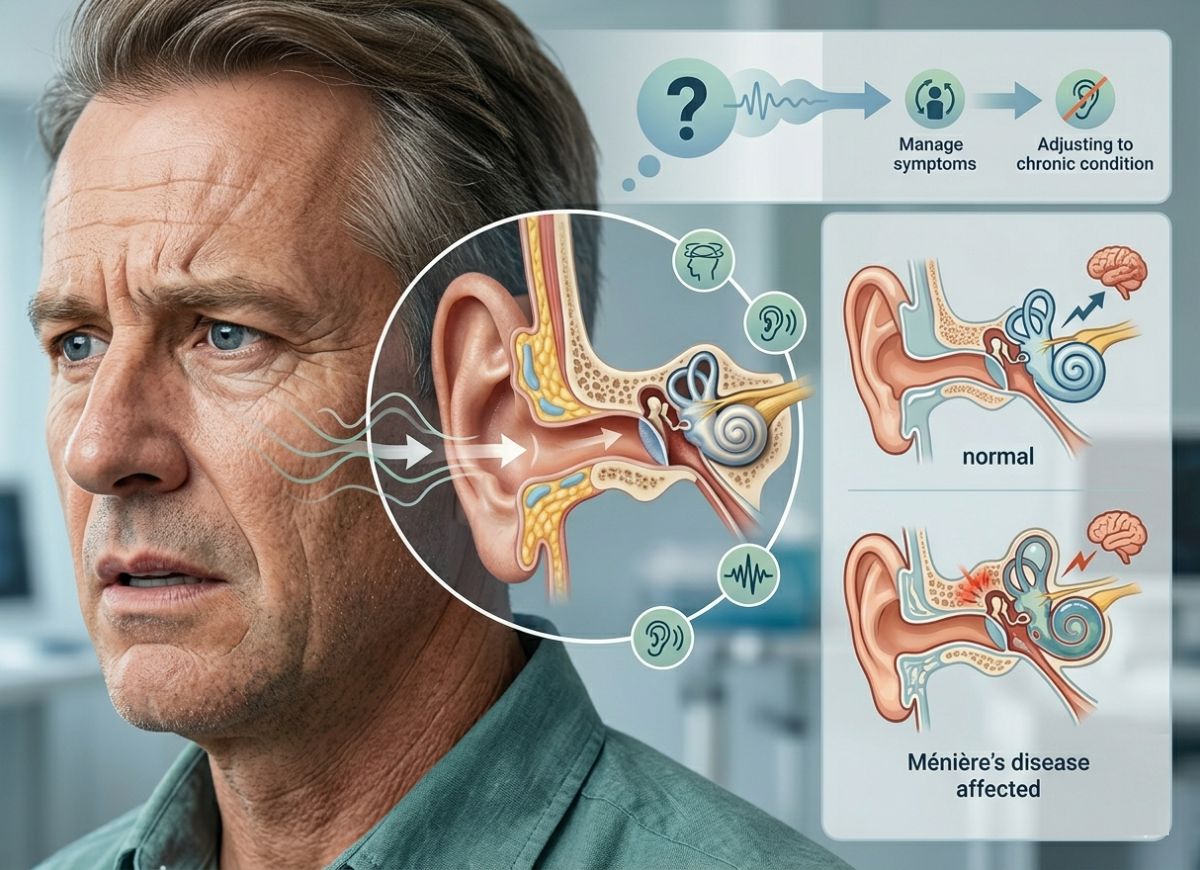
Ear discomfort is something many people experience from time to time whether it’s after a flight, a cold, or swimming but sometimes these seemingly minor issues can point to a deeper problem. Eustachian Tube Dysfunction (ETD) is one of those conditions that can sneak up gradually, making it easy to ignore at first. The eustachian tube, a small passage connecting the middle ear to the back of the nose, plays a critical role in equalizing ear pressure and draining fluid. When it doesn’t function properly, subtle symptoms can quietly affect hearing, balance, and overall ear comfort.
ETD can affect people of all ages, though it’s more common in children, adults with allergies, and those prone to sinus infections. Millions of people worldwide experience some form of eustachian tube dysfunction each year, yet many dismiss mild symptoms as temporary or related to colds, delaying diagnosis and treatment. This is especially risky because prolonged dysfunction can lead to chronic ear pressure, fluid buildup, or even infections, which may affect hearing over time.
The challenge with ETD is that early signs are often subtle and intermittent. You might notice a feeling of fullness in the ear, muffled hearing, or popping and clicking sounds, especially during changes in altitude, like on a plane or while driving through mountains. Some people experience ringing in the ears, mild dizziness, or discomfort when swallowing or yawning, all of which can signal that the eustachian tube isn’t working as it should.
In this article, we’ll explore 7 warning signs of Eustachian Tube Dysfunction (ETD) to watch for. Recognizing these early indicators can help you seek timely evaluation, prevent complications, and maintain ear health. Even small changes in ear sensation or hearing may be the body’s way of telling you that something needs attention, and understanding these signs is the first step toward relief and proper management.
What is Eustachian Tube Dysfunction (ETD)?
Eustachian Tube Dysfunction (ETD) is a clinical condition originating from the failure of the Eustachian tube to adequately open and/or close to regulate middle ear pressure and clear secretions. This malfunction disrupts the delicate equilibrium between the pressure inside the middle ear and the ambient atmospheric pressure, leading to a cascade of uncomfortable and sometimes debilitating symptoms. At its core, ETD represents a breakdown in a fundamental physiological process designed to protect and maintain the health of the auditory system.
Understanding this condition begins with appreciating the elegant mechanics of the Eustachian tube itself and what occurs when this system is compromised. The dysfunction can range from a temporary annoyance caused by a common cold to a chronic condition that significantly impacts a person’s quality of life, potentially leading to complications such as chronic middle ear infections, fluid accumulation (otitis media with effusion), and eardrum retraction.
How Does The Eustachian Tube Work?
The Eustachian tube is a narrow, canal-like structure, typically 3-4 centimeters long in adults, that acts as a biological valve connecting the middle ear cavity to the nasopharynx (the upper part of the throat behind the nose). Its primary physiological roles are threefold: ventilation to equalize pressure, drainage of secretions from the middle ear, and protection of the middle ear from pathogens and sounds originating in the nasopharynx.
Normally, the tube remains in a collapsed, closed state. It opens actively and transiently through the coordinated contraction of two key muscles: the tensor veli palatini and the levator veli palatini. These muscle actions are triggered by physiological maneuvers such as swallowing, yawning, or chewing. When you swallow, for instance, these muscles pull the cartilaginous end of the tube open for a fraction of a second, allowing a small amount of air to pass from the back of the nose into the middle ear.
This brief exchange is sufficient to equalize the pressure on both sides of the tympanic membrane (eardrum), ensuring it can vibrate freely and transmit sound waves effectively to the ossicles (the tiny bones of the middle ear). This pressure regulation is why performing these maneuvers can help “pop” your ears during altitude changes, like on an airplane. Furthermore, this opening mechanism allows for the clearance of any accumulated fluid or debris from the middle ear, draining it down into the throat where it can be harmlessly swallowed.
What Goes Wrong in Eustachian Tube Dysfunction?
In Eustachian Tube Dysfunction, the elegant mechanism of the tube’s opening and closing is impaired, leading to a failure in pressure equalization and fluid drainage.
The dysfunction typically manifests in two primary forms. The most common is obstructive dysfunction, where the Eustachian tube fails to open sufficiently or at all. This can be caused by intrinsic factors like inflammation and swelling of the tube’s mucosal lining, often triggered by upper respiratory infections (colds), allergic rhinitis, or chronic sinusitis.
The inflammation makes the tube walls sticky and swollen, preventing them from parting during swallowing or yawning. Extrinsic factors, such as enlarged adenoids in children or, rarely, tumors in adults, can also physically compress the tube from the outside. When the tube is blocked, the air trapped in the middle ear is gradually absorbed by the surrounding tissues, creating negative pressure. This vacuum effect pulls the eardrum inward (retraction), leading to feelings of fullness, pain, and muffled hearing.
The second, less common form is patulous dysfunction, where the tube fails to close properly and remains intermittently or chronically open. This condition can be triggered by significant weight loss, hormonal changes, or neurological disorders. When the tube is stuck open, sound from the nasopharynx, including the sound of one’s own breathing and voice,travels directly into the middle ear.
This results in a distressing symptom known as autophony, where individuals hear their own bodily sounds with uncomfortable loudness, often describing it as hearing themselves in a barrel. Both types of dysfunction disrupt the carefully balanced environment of the middle ear, setting the stage for the distinct symptoms that characterize ETD.
7 Main Symptoms of Eustachian Tube Dysfunction
The seven main symptoms of Eustachian Tube Dysfunction are aural fullness, muffled hearing, ear pain, tinnitus, popping or clicking noises, dizziness, and a tickling sensation. While aural fullness, a persistent feeling of pressure or blockage in the ear, is widely considered the hallmark symptom of ETD, the condition rarely presents with this sensation alone.
Instead, patients typically experience a combination of these symptoms, which collectively point to an underlying issue with middle ear pressure regulation. The specific symptoms and their severity can vary depending on whether the dysfunction is obstructive (the more common type) or patulous (less common), as well as the underlying cause, such as a cold, allergies, or chronic inflammation.
Aural Fullness
Aural fullness is the distinct and uncomfortable sensation of pressure, clogging, or blockage deep within the ear, often described by patients as if their ear is plugged, underwater, or filled with cotton. This sensation is the cardinal symptom of Eustachian Tube Dysfunction and is a direct consequence of the pressure imbalance across the eardrum.
In the most common form of ETD (obstructive dysfunction), the blocked Eustachian tube prevents air from entering the middle ear to replenish the air that is naturally absorbed by the surrounding tissues. This process creates a vacuum or negative pressure within the middle ear space. As the external atmospheric pressure remains constant, this internal negative pressure physically pulls the flexible tympanic membrane (eardrum) inward, making it tense and taut. It is this retraction and tension of the eardrum that the brain interprets as a feeling of fullness or pressure.
The sensation can be constant or it may fluctuate, often worsening with changes in altitude, during a cold, or when experiencing an allergy flare-up. This symptom is not just a minor annoyance; it can be deeply distracting and anxiety-provoking, as it directly impacts one’s sense of normalcy and can be a constant reminder that something is wrong within the ear.
Muffled Hearing
The sensation of muffled or diminished hearing is a direct result of the physical changes caused by ETD. The negative pressure that causes aural fullness also retracts the eardrum, restricting its ability to vibrate freely in response to incoming sound waves. Since the eardrum’s vibration is the first critical step in the mechanical process of hearing, any impediment to its movement leads to dampened sound transmission.
Sounds may seem distant, distorted, or less clear, as if one is listening through an earmuff. In cases of chronic ETD, persistent negative pressure can cause fluid to be drawn from the mucosal lining of the middle ear, a condition known as otitis media with effusion. This fluid further dampens the vibrations of the eardrum and the tiny middle ear bones (ossicles), leading to more significant conductive hearing loss.
Ear Pain (Otalgia)
Ear pain associated with ETD is typically a dull, aching sensation rather than a sharp, acute pain seen in bacterial infections. This pain, medically termed otalgia, arises from the stretching of the eardrum and the delicate tissues lining the middle ear.
The constant pull from the negative pressure creates tension on the nerve fibers within the eardrum, resulting in a persistent ache. The pain can vary in intensity and may be exacerbated by activities that further challenge the Eustachian tube, such as flying or driving in mountainous areas.
Tinnitus
Tinnitus is the perception of sound, such as ringing, buzzing, humming, or hissing, in the absence of an external source. In the context of ETD, tinnitus is thought to be caused by the abnormal pressure and mechanical stress exerted on the structures of the middle and inner ear.
This pressure can disrupt the normal function of the cochlea (the hearing organ) or irritate the auditory nerve, leading the brain to perceive these phantom sounds. The character of the tinnitus can vary, from a low-frequency hum to a high-pitched ring, and its presence can be highly distressing for many individuals.
Popping or Clicking Noises
Patients with ETD often report hearing popping, clicking, or crackling sounds in their ears, especially when they swallow, yawn, or move their jaw. These sounds are produced by the dysfunctional Eustachian tube itself.
The noise can be caused by the sticky, inflamed walls of the tube momentarily pulling apart or by the movement of air or mucus through the partially obstructed passageway. This symptom is a direct auditory manifestation of the tube struggling, and often failing, to perform its normal opening and closing function.
Dizziness or Balance Issues
While less common than other symptoms, dizziness or a feeling of unsteadiness can occur with significant ETD. The inner ear, which contains the vestibular system responsible for balance, is adjacent to the middle ear.
Severe pressure fluctuations in the middle ear can be transmitted to the fluid-filled chambers of the inner ear, disrupting the delicate signals the vestibular system sends to the brain about spatial orientation and motion. This can lead to a sense of imbalance, lightheadedness, or, in some cases, true vertigo (a spinning sensation).
Tickling Sensation
Some individuals with ETD report an unusual tickling or itchy feeling deep inside the ear. This sensation is thought to be caused by irritation of the nerves in the ear canal or middle ear due to the chronic inflammation and pressure changes. It can also be related to the movement of small amounts of fluid or mucus near the eardrum, creating a subtle but persistent and annoying sensation.
Eustachian Tube Dysfunction Diagnosis
Eustachian tube dysfunction is diagnosed through a physical examination and specific tests like tympanometry, while treatment ranges from simple home remedies for pressure equalization to medical interventions that address underlying inflammation or blockages.
Furthermore, understanding the diagnostic process and the full spectrum of treatment options is crucial for anyone experiencing persistent symptoms like aural fullness, muffled hearing, or ear pain. The journey from identifying symptoms to finding relief involves determining when to seek professional help, undergoing specific diagnostic procedures, and weighing the benefits of self-care against medical treatments.
Deciding whether to consult a doctor for Eustachian tube dysfunction (ETD) symptoms hinges on their severity, duration, and accompanying signs. For many, mild and temporary symptoms that appear after a common cold, a flight, or changes in altitude can often be managed effectively at home. If you experience a brief feeling of fullness or popping in the ears that resolves on its own or with simple maneuvers like yawning or swallowing within a few days, medical intervention is typically unnecessary.
This is because the Eustachian tube is likely just temporarily inflamed or blocked due to mucus and will clear as the underlying condition, like the cold, subsides. However, if symptoms persist for more than a week or two, or if they begin to worsen, it is time to seek a professional medical opinion. Persistent blockage can lead to complications, including middle ear infections or fluid accumulation that requires intervention.
A medical evaluation becomes essential when certain red-flag symptoms are present, which can indicate a more serious issue than simple ETD. Specifically, while ETD often causes a feeling of pressure, sharp, throbbing, or escalating ear pain (otalgia) can signal a developing middle ear infection (otitis media).
Also, the presence of fever, significant dizziness or vertigo, fluid or pus draining from the ear, or substantial hearing loss warrants an immediate visit to a doctor. These symptoms suggest the problem may have progressed beyond simple dysfunction.
If home remedies like the Valsalva maneuver or over-the-counter decongestants provide no relief after several days, a doctor can help identify the underlying cause, such as severe allergies or anatomical blockages, and prescribe more effective treatments.
The diagnosis of Eustachian tube dysfunction begins with a thorough discussion of your symptoms and medical history, but healthcare providers rely on several specific methods to confirm the condition and rule out other possibilities. The most fundamental diagnostic tool is a visual examination of the ear using an otoscope.
During otoscopy, a doctor looks through a lighted, magnifying instrument to inspect the ear canal and the eardrum (tympanic membrane). Key signs of ETD include a retracted or pulled-in eardrum, which indicates negative pressure in the middle ear.
The doctor may also observe fluid behind the eardrum (an effusion) or changes in the eardrum’s color and transparency. This initial visual check provides critical clues about the pressure status of the middle ear. If the visual exam is inconclusive or further data is needed, more advanced tests are employed to measure the ear’s mechanical function.
To objectively assess middle ear pressure and eardrum mobility, a non-invasive test called tympanometry is commonly used. This procedure involves placing a small probe into the ear canal, which creates an airtight seal. The device then varies the air pressure in the ear canal while emitting a low-frequency sound tone. By measuring how the eardrum reflects this sound at different pressures, the test can determine how well the eardrum moves.
A peak on the graph indicates a freely moving eardrum with normal middle ear pressure. A flat line suggests fluid in the middle ear (otitis media with effusion) or a perforated eardrum, while a peak shifted into the negative pressure range confirms poor Eustachian tube function. For chronic or severe cases, a specialist may perform a nasal endoscopy. This involves inserting a thin, flexible tube with a camera through the nostril to directly visualize the back of the nose and the opening of the Eustachian tube, checking for inflammation, polyps, or other physical obstructions.
Home Remedies for Eustachian Tube Dysfunction and Medical Treatments
Home remedies for Eustachian tube dysfunction and professional medical treatments differ fundamentally in their goals and mechanisms: home remedies aim to provide immediate, temporary relief by mechanically opening the tubes, whereas medical treatments target the underlying physiological cause of the blockage.
Self-care techniques are often the first line of defense for mild, acute symptoms. Maneuvers like the Valsalva maneuver (gently exhaling against a closed mouth and pinched nose) and the Toynbee maneuver (swallowing with the nose pinched) are designed to manually force air through the Eustachian tube to equalize middle ear pressure.
Other simple actions like chewing gum, yawning, and swallowing fluids stimulate the muscles that naturally open the tubes. Using a humidifier or saline nasal spray can also help by thinning mucus, making it easier for the tubes to drain. These methods are generally safe and effective for situational pressure imbalances, such as those experienced during air travel or from a minor cold.
In contrast, medical treatments are prescribed when symptoms are persistent, severe, or caused by an underlying condition like chronic allergies or inflammation. These interventions work on a biological level to reduce the swelling and congestion that cause the dysfunction.
For instance, a doctor might prescribe to decrease inflammation in the mucous membranes lining the Eustachian tube opening. Decongestants (oral or spray) can shrink swollen tissues. When these conservative medical treatments fail, more invasive procedures may be considered.
ETD vs. An Ear Infection
While Eustachian tube dysfunction and a middle ear infection (otitis media) can share symptoms like muffled hearing and a feeling of fullness, they are distinct conditions with different underlying causes, key symptoms, and treatments.
The primary difference lies in their nature: ETD is a functional problem related to pressure and drainage, whereas an ear infection is an active infectious process. ETD occurs when the Eustachian tube fails to open and close properly, leading to a pressure imbalance in the middle ear. This dysfunction can cause fluid from the surrounding tissues to be drawn into the middle ear space, but this fluid is initially sterile.
The symptoms are primarily related to this pressure differential: popping, crackling, aural fullness, and mild, dull discomfort. An ear infection, on the other hand, develops when this trapped fluid becomes a breeding ground for bacteria or viruses, leading to inflammation and infection.
The symptom profiles of the two conditions are a key differentiator. ETD is characterized by pressure-related sensations rather than intense pain. In contrast, the hallmark symptom of acute otitis media is moderate to severe, often throbbing ear pain (otalgia). This pain is a result of the inflammatory response to the infection and the pressure buildup from pus.
An ear infection is also frequently accompanied by systemic symptoms like fever, especially in children, and may lead to fluid or pus draining from the ear if the eardrum perforates. While both conditions can cause temporary hearing loss, the loss associated with an infection is often more pronounced due to the presence of thick, infected fluid.
FAQs
1. How do you clear a blocked Eustachian tube?
A blocked Eustachian tube can often be relieved with simple at-home techniques. One common method is the Valsalva maneuver, where you gently pinch your nose, close your mouth, and blow air to help equalize pressure. Chewing gum, yawning, or swallowing repeatedly can also stimulate the tube to open. Nasal decongestant sprays may help reduce swelling caused by allergies or congestion, but these should be used short-term to avoid rebound effects.
For chronic or persistent blockages, an ENT specialist may recommend procedures like balloon dilation to permanently improve function. Maintaining good nasal hygiene, avoiding smoke, and managing allergies can also prevent recurrent blockages.
2. How long does it take for Eustachian tube dysfunction to heal?
The healing time varies widely depending on the cause and severity. Mild cases related to colds or temporary sinus congestion may resolve within a few days to a week. Cases caused by allergies or chronic sinus inflammation can last several weeks or months if triggers are not addressed.
For people with structural issues or repeated infections, medical intervention may be required, which can shorten recovery. Consistent management of allergies, nasal congestion, and sinus infections often speeds up healing and reduces the risk of long-term complications.
3. How to massage an Eustachian tube to drain?
While you can’t directly massage the tiny eustachian tube inside the skull, gentle techniques can stimulate drainage and relieve pressure. Lightly massaging the area just in front of the ear and along the jawline while yawning or swallowing can help promote movement of air and fluids.
Some people also use gentle neck stretches and jaw movements to ease tension around the tube. These methods are supportive but should be combined with steam inhalation, nasal sprays, or pressure equalization techniques for optimal relief.
4. Can I go deaf from Eustachian tube dysfunction?
Permanent deafness from ETD is rare, but prolonged dysfunction can cause temporary hearing loss, muffled sounds, and fluid buildup in the middle ear. Chronic untreated ETD may lead to middle ear infections, damage to the eardrum, or reduced sound conduction, which can impair hearing if not addressed. Early intervention, treatment of underlying causes, and regular monitoring by an ENT specialist usually prevent long-term hearing damage.
5. What does ETD pain feel like?
ETD pain is typically a dull, pressure-like sensation in the ear, often accompanied by fullness, popping, or crackling sounds. Some people experience sharp or aching pain during swallowing, yawning, or changes in altitude. Mild dizziness, a feeling of imbalance, and sensitivity to loud noises may also occur. Pain levels vary depending on whether the blockage is caused by congestion, infection, or inflammation.
6. Can you fly with Eustachian tube dysfunction?
Flying with ETD can be uncomfortable because rapid altitude changes make pressure equalization difficult. Symptoms may include ear pain, popping, and muffled hearing. Using techniques like chewing gum, swallowing frequently, performing the Valsalva maneuver, or using nasal decongestants before takeoff can help. Severe ETD may require postponing travel or consulting an ENT specialist for advice before flying.
7. Is ETD tinnitus permanent?
Tinnitus associated with ETD is usually temporary, caused by pressure imbalances or fluid in the middle ear. Once the tube drains properly and normal pressure is restored, the ringing or buzzing often diminishes or disappears. Chronic ETD or long-standing fluid buildup may cause prolonged tinnitus, but treatment and pressure management typically improve or resolve the symptoms.
8. Can ETD be caused by stress?
Yes, indirectly. Stress can exacerbate muscle tension, sinus inflammation, and immune responses, making the eustachian tube more prone to dysfunction. People under stress may also experience heightened sensitivity to pressure changes or perception of ear fullness, amplifying discomfort. Managing stress through relaxation techniques, sleep, and exercise can help reduce ETD flare-ups.
9. Is ETD hereditary?
ETD itself is not directly inherited, but certain anatomical traits, such as narrow eustachian tubes, craniofacial structure, or a predisposition to allergies and sinus issues, can run in families. These factors can increase susceptibility to developing ETD, meaning some people may have a higher risk due to their genetic background and family history.
Conclusion
Eustachian Tube Dysfunction (ETD) is a common yet often overlooked condition that can cause ear pressure, muffled hearing, discomfort, and dizziness. While typically not dangerous, persistent symptoms can affect daily life and lead to secondary complications if left untreated.
Understanding the warning signs, home management techniques, and when to seek medical care is crucial for relief and recovery. Simple strategies like pressure equalization, nasal care, gentle massage, and managing underlying allergies or sinus issues can significantly improve comfort. For chronic or severe cases, consulting an ENT specialist ensures appropriate evaluation and treatment.
With awareness, proper care, and preventive measures, individuals with ETD can restore normal ear function, reduce discomfort, and maintain better quality of life, turning a frustrating condition into a manageable one.
References
- Brigham and Women’s Hospital – Eustachian Tube Dysfunction
- National Library of Medicine – Eustachian tube dysfunction: consensus statement on definition, types, clinical presentation and diagnosis
- Melbourne Audiology & Speech Pathology Clinic – Eustachian Tube Dysfunction
- The Johns Hopkins University – Eustachian Tube Dysfunction
- NHS – Eustachian Tube Dysfunction (ETD)
- The Royal Victorian Eye and Ear Hospital – Eustachian Tube Dysfunction
- Stanford University – Eustachian Tube Dysfunction
- Shohet Ear Associates Medical Group – Understanding Eustachian Tube Dysfunction
- Stanford Health Care – Obstructive Eustachian Tube Dysfunction
- ENT – Eustachian Tube Dysfunction (ETD)
- Eustachian Tube Dysfunction
- Completeent – Eustachian Tube Dysfunction