7 Early Signs of a Panic Attack and How to Manage Them
A panic attack is a sudden, intense episode of fear or discomfort that can strike without warning, often causing physical, emotional, and cognitive symptoms. While the experience can feel overwhelming, panic attacks are relatively common and typically peak within 10 minutes. Recognizing the early signs of a panic attack is crucial, as early identification allows for coping strategies to be implemented, reducing the intensity and duration of the episode.
Symptoms can vary between individuals but often include racing heart, shortness of breath, dizziness, sweating, and a sense of impending doom. Understanding these early indicators empowers people to manage their responses and regain a sense of control.
Panic attacks can be triggered by stress, anxiety disorders, or underlying health conditions, but sometimes they occur unexpectedly without a clear cause. By learning to identify seven common early signs of a panic attack, individuals can respond with practical techniques such as controlled breathing, grounding exercises, and mindfulness strategies. Recognizing these early symptoms not only helps reduce the immediate discomfort but can also support long-term anxiety management. This article will explore the key warning signs of panic attacks and provide actionable steps for managing them effectively.
What is A Panic Attack?
A panic attack is a sudden and intense episode of fear or discomfort that can occur without warning, often reaching its peak within minutes. During a panic attack, the body experiences a “fight-or-flight” response, releasing stress hormones such as adrenaline, which can cause a range of physical and emotional symptoms. Common signs include rapid heartbeat, shortness of breath, dizziness, sweating, trembling, chest pain, and a sense of impending doom.
Panic attacks can be triggered by stress, anxiety disorders, certain medical conditions, or may even occur unexpectedly without a clear cause. While the experience can be frightening and overwhelming, panic attacks are generally not life-threatening. Recognizing the early signs and understanding what a panic attack entails is key to managing episodes effectively, reducing their intensity, and learning strategies to prevent future occurrences.
7 Key Warning Signs of A Panic Attack
Recognizing a panic attack in its early stages requires looking closely at how your nervous system shifts during a crisis. Because a panic attack is an absolute, high-intensity misfire of your body’s survival instincts, it does not slowly build like common stress. Instead, it hits your system all at once, creating an intense, overwhelming presentation that can easily trick you into believing you are having a catastrophic medical emergency.
By understanding the nature of its rapid onset and familiarizing yourself with the seven core physical and cognitive signs of a panic attack, you can strip away the terrifying mystery of the experience and learn to manage the surge safely.
The Anatomy of a Sudden Onset
The defining characteristic of a true panic attack is its compressed, explosive timeline. While a standard anxiety attack or a prolonged stress attack builds up over hours in response to life pressures, a panic episode acts like a flash flood. It is an unexpected, unprovoked surge of intense terror that launches you from a state of total calm to an absolute peak of distress within a matter of minutes—usually topping out in under ten minutes.
This “out-of-the-blue” quality is exactly why random panic attacks are so disorienting. You could be performing a completely ordinary task, like driving home, standing in a shopping aisle, or even resting in bed, when your sympathetic nervous system—your primitive “fight-or-flight” response—suddenly misfires. It floods your bloodstream with adrenaline, instantly preparing your body to fight a physical predator when no danger exists.
Recognizing that this sudden surge is a finite, predictable biological event that naturally subsides as your parasympathetic nervous system steps in to restore balance is one of the most powerful anxiety attack strategies for de-escalation.
The 7 Key Warning Signs of a Panic Attack
When your body’s survival alarm trips inappropriately, it triggers a distinct cluster of profound physical and psychological panic attack symptoms. These seven classic signs represent the physical reality of an adrenaline surge.
Pounding Heart and Racing Pulse
As adrenaline hits your cardiovascular system, your heart rate accelerates dramatically. You may feel your chest fluttering, skipping beats, or pounding so forcefully against your ribs that you can hear it in your ears. Because these palpitations mirror a cardiac event, many people instantly misinterpret this harmless adrenaline surge as a heart attack, which inadvertently feeds back into the loop of terror.
Shortness of Breath or Suffocation Sensations
During an episode, the smooth muscles around your airways tighten, making you feel as though you are choking, smothering, or completely unable to pull oxygen into your lungs. This terrifying sensation frequently leads to hyperventilation—rapid, shallow breathing. Ironically, breathing this way exhales too much carbon dioxide, which disrupts your blood chemistry and actively triggers other symptoms like dizziness and tingling in your fingers.
Chest Pain or Discomfort
Along with a racing pulse, a common sign is a sharp, crushing tightness or pressure directly across your chest. This specific symptom is another reason why people mistake a panic flare-up for a medical emergency. In a panic context, this discomfort is simply the result of your intercostal chest muscles locking up under extreme physical stress, compounded by the strain of rapid breathing.
Severe Dizziness and Lightheadedness
As your breathing pattern shifts and your blood vessels constrict from the rush of adrenaline, the balance of oxygen traveling to your brain alters slightly. This causes a sudden wave of unsteadiness, lightheadedness, or a floating sensation where you feel as though you might faint. While actual fainting is incredibly rare because your blood pressure typically rises during panic, the fear of collapsing can feel overwhelming.
The Fear of Losing Control or “Going Crazy”
This is a profound, terrifying cognitive symptom. As your mind tries to make sense of the sudden, unexplained physical chaos taking over your body, it often jumps to the conclusion that you are having a complete psychological breakdown, losing your mind, or about to do something highly embarrassing. This thought is a direct psychological reaction to the intensity of the adrenaline, not a reflection of your actual mental stability.
Feelings of Unreality (Derealization and Depersonalization)
To protect itself from an experience that feels too intense to handle, your brain can deploy a temporary defense mechanism that alters your perception. Derealization makes the world around you feel strange, artificial, or foggy, as if you are moving through a movie set. Depersonalization makes you feel detached from your own physical form, as if you are an outside observer watching your body panic from a distance.
Uncontrollable Trembling or Shaking
A visible, intense shaking in your hands, legs, or across your entire body is a direct physical manifestation of your muscles priming themselves for explosive action. Even though you are standing in a safe room, your nervous system is routing raw kinetic energy to your major muscle groups, resulting in an intense tremor until the chemical spike clears your system.
Shifting Your Perspective for Recovery
When you are in the middle of this physical storm, the symptoms can make it feel like you are in mortal danger. However, every single one of these seven warning signs is a well-mapped, harmless physiological mechanism designed to protect you, not harm you.
By practicing proper breathing for anxiety attack management, such as slowing your exhalations to correct your carbon dioxide levels, and utilizing targeted things to do during a panic attack like grounding your senses, you can safely ride out the wave. Understanding these seven pillars allows you to see the episode for what it truly is: a temporary, manageable glitch in your body’s internal wiring.
How Can You Reclaim Your Calm During a Panic Attack?
Reclaiming your calm when a panic attack strikes requires a deliberate, two-pronged strategy. Because a panic episode paralyzes your rational mind with a sudden flood of adrenaline, trying to “think your way out” of it rarely works. Instead, you must use your physical body to override your misfiring nervous system.
By combining immediate sensory grounding techniques that interrupt the acute feedback loop with physiological tactics that trigger your body’s natural braking system, you can safely guide yourself out of the storm.
Phase 1: Sensory Grounding to Interrupt the Peak
During a surge, your brain is trapped in a loop: terrifying thoughts trigger intense physical sensations, and those physical sensations convince your brain that you are in mortal danger. To shatter this cycle, you must pull your attention away from your internal chaos and anchor it firmly in the physical world using your five senses.
The 5-4-3-2-1 Sensory Inventory
This structured exercise acts as a powerful anchor, forcing your prefrontal cortex to come back online by cataloging your immediate surroundings. Step through your environment slowly and name:
- 5 things you can see: Look for subtle details. Notice the texture of a wooden desk, a light reflection on a window pane, a pen, a picture frame, or a leaf outside.
- 4 things you can physically feel: Focus on tactile touch. Notice the pressure of your feet flat against the floor, the texture of your jeans, the cool air entering your nose, or the smooth surface of a phone screen.
- 3 things you can distinctly hear: Tune into your auditory environment. Listen for the hum of an appliance, the distant sound of passing cars, or the rhythm of your own exhalations.
- 2 things you can smell: Identify scents around you, like the faint aroma of coffee, a soap scent, or simply visualize two of your favorite comforting smells if the room is neutral.
- 1 thing you can taste: Focus on the lingering taste of a recent meal, or take a slow sip of water or pop a piece of gum into your mouth to register a clean flavor.
Controlled Diaphragmatic Breathing
When panic hits, your breathing automatically becomes shallow and rapid, causing hyperventilation that directly induces dizziness and chest tightness. To reverse this, implement deep belly breathing. Place one hand on your chest and the other on your abdomen.
Inhale slowly through your nose for a count of four, forcing your stomach to push outward while keeping your upper chest completely still. Hold that air for two seconds, then exhale slowly through your mouth for a count of six. This prolonged exhalation alters your blood chemistry and actively stimulates your parasympathetic nervous system, forcing your racing heart to slow down.
Phase 2: Physiological and Mindset Adjustments
Once you have used your senses to blunt the initial shock of the attack, you can deploy targeted physical movements and psychological shifts to systematically dismantle the remaining adrenaline.
The A.C.E. Acceptance Method
The greatest mistake people make during a panic attack is trying to aggressively fight the feelings, which only creates more internal tension and pumps more adrenaline into your blood. Instead, practice radical acceptance using the A.C.E. framework:
Triggering the Mammalian Dive Reflex
If your mind is racing too fast to practice grounding, you can rely on a hardwired biological hack to instantly drop your heart rate: the mammalian dive reflex.
When your face is exposed to sudden cold temperatures, an innate survival mechanism is triggered that instantly slows down your pulse and redirects blood flow. You can easily trigger this by splashing ice-cold water onto your face, holding a cold gel pack against your cheeks and forehead, or pressing a cold beverage bottle against your neck for 15 to 30 seconds. The intense cold provides an immediate physical reset, breaking the panic loop instantly.
Repetitive Somatic Movements
Finally, give your body a safe, predictable outlet to discharge its excess kinetic energy. When adrenaline has your muscles primed to run, standing completely still can feel agonizing.
Instead, engage in small, highly rhythmic physical motions. Alternately tap your fingers on your knees, rhythmically wiggle your toes inside your shoes, or slowly clench and unclench your fists. This controlled, repetitive somatic feedback provides your brain with a comforting sense of order and predictability, gently guiding your central nervous system back to a reliable state of calm.
Common Triggers for Panic Attacks
Unlocking the mystery of what sparks a panic attack requires looking at how your mind, body, and surroundings interact. Clinicians generally divide these sudden surges into two categories: expected (cued) panic attacks, which are tied directly to an identifiable person, place, or situation, and unexpected (uncued) panic attacks, which seem to strike spontaneously out of nowhere.
When your nervous system is overwhelmed, your primitive fight-or-flight response becomes hyper-sensitive. Understanding the primary psychological, biological, and environmental catalysts that trip this internal alarm is a foundational step in predicting and managing your symptoms.
Chronic Stress and High-Stakes Life Transitions
Your nervous system possesses a limited amount of resilience. When you encounter a single, highly stressful event, your body can usually recover once the crisis passes. However, a prolonged accumulation of chronic stress acts like a slow leak, steadily draining your emotional reserves and lowering your brain’s natural threshold for panic.
Persistent Daily Stressors: Ongoing pressures like toxic workplace dynamics, unyielding financial insecurity, or chronic relationship conflict keep your body in a state of low-grade, perpetual hyper-vigilance. Over time, this constant strain exhausts your adrenal glands and leaves your sympathetic nervous system primed to misfire.
Major Life Transitions: Significant life milestones, such as moving to a new city, starting a different career, getting married, or navigating the profound grief of losing a loved one, create a deep sense of instability. Even positive changes require massive cognitive and emotional restructuring. This underlying disruption can leave your brain feeling vulnerable and unable to cope, occasionally culminating in a sudden surge of terror.
Chemical Stimulants, Medications, and Substance Shifts
Because a panic attack is ultimately a chemical event, the substances you ingest can directly alter your baseline vulnerability, artificially mimicking the exact physical signs of terror.
The Stimulant Mirror Effect: Central nervous system stimulants actively accelerate your resting heart rate, constrict your blood vessels, and elevate your blood pressure. If your body is already holding onto underlying anxiety, this artificial physical jolt can trick your brain. Your mind misinterprets the caffeine-induced racing heart as an authentic sign of physical danger, accidentally launching you into a full-blown attack.
Substance and Medication Withdrawal: The chemical shifts that occur when substances leave your body can be equally disruptive. Navigating alcohol withdrawal or suddenly stopping certain prescription medications can cause your central nervous system to become hyper-excitable. Furthermore, the side effects of certain over-the-counter decongestants, asthma inhalers, and weight-loss supplements contain active compounds that can trigger acute panic loops.
Specific Phobias and Traumatic Memories
For many individuals, a panic flare-up is a highly predictable, cued response to a specific psychological trigger rooted in phobias or past trauma.
Environmental Phobias: If you struggle with specific phobias, such as an intense fear of heights (acrophobia), enclosed spaces (claustrophobia), or crowded areas (agoraphobia), confronting that environment acts as an immediate trigger. Boarding a plane or entering a packed elevator can spark an immediate, expected episode because your brain perceives that specific situation as an active, existential threat.
Traumatic PTSD Reminders: For those living with Post-Traumatic Stress Disorder (PTSD), a panic episode is often a direct response to a trauma trigger. A sudden loud noise, a particular scent, a visual reminder, or an anniversary of a difficult event can cause your brain to instantly relive a past trauma. Your amygdala bypasses your rational mind completely, plunging your body into an intense survival response to protect you from a danger that feels entirely current.
Physical Health Conditions and Somatic Misinterpretations
Sometimes, the root cause of panic isn’t a psychological fear at all, but rather a direct physiological change originating from an underlying medical condition.
Endocrine and Thyroid Imbalances: Your endocrine system dictates your baseline energy levels. Conditions like hyperthyroidism (an overactive thyroid gland) cause your body to flood your system with an excess of thyroid hormones. This hormonal surge accelerates your entire metabolism, causing a resting rapid heart rate, muscle tremors, and profuse sweating—symptoms that feel identical to the physical onset of an attack.
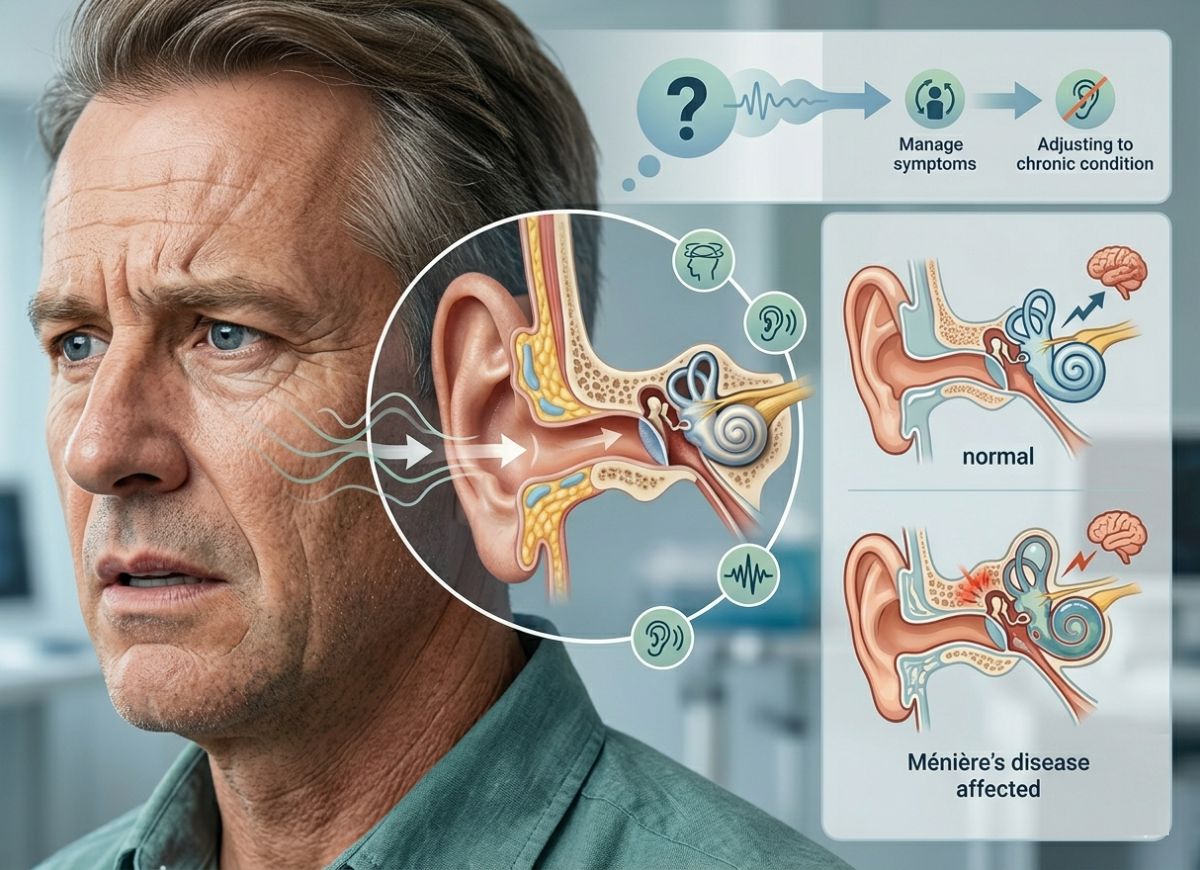
Cardiovascular and Inner Ear Disturbances: Structural heart variations, such as mitral valve prolapse (where a heart valve doesn’t close smoothly), can cause occasional, harmless chest palpitations. Similarly, inner ear disturbances that compromise your balance can induce sudden spells of severe dizziness and lightheadedness. When these physical anomalies occur, a hyper-vigilant brain can easily misinterpret these benign internal sensations as a sign of an impending medical crisis, converting a harmless bodily quirk into a severe panic episode.
The Distinctions Between Panic Attacks, Anxiety, and Related Disorders
Navigating the landscape of mental health requires separating terms that are frequently mixed up in everyday conversation. While people casually use the phrases “stress,” “anxiety,” and “panic” to describe general feelings of unease, medical professionals draw sharp boundaries between them.
These experiences exist on a distinct spectrum of intensity and duration. Misinterpreting where your symptoms fall on this spectrum can lead to using the wrong coping mechanisms, whereas clarifying these boundaries makes it much easier to choose an effective recovery plan.
Panic Attack vs. Anxiety: The Chronological and Physical Divide
The most common point of confusion is the difference between a panic attack and an “anxiety attack.” Interestingly, while “panic attack” is an official clinical diagnosis defined strictly within the DSM-5, “anxiety attack” is not a recognized medical term at all. Instead, it is a colloquial phrase used to describe a period of heightened, intense worry.
The true distinction between them comes down to a fundamental physical divide:
- The Onset and Build: Anxiety is a slow-burning, preventative mechanism. It builds gradually over hours, days, or weeks, usually in response to a clear, perceived future threat—such as a looming work deadline, financial strain, or an upcoming exam. A panic episode, by contrast, is an explosive, immediate event. It peaks with crushing force within minutes, frequently hitting you completely “out of the blue” while you are in a resting state.
- Symptom Profile and Duration: While chronic anxiety creates a persistent state of physical tension, mild muscle aches, and a background sense of unease that can linger indefinitely, a panic episode is a short-lived physical storm. It brings severe, overwhelming physical symptoms—like a racing heart, chest pain, shaking, and a choking sensation—that typically burn out and fade away within 20 to 30 minutes once the adrenaline spike clears.
- The Cognitive Interpretation: A person experiencing high anxiety worries about a future outcome (“What if I fail this test?”). A person experiencing a panic surge believes they are facing an immediate, catastrophic crisis in the present second (“I am having a heart attack right now” or “I am completely losing my mind”).
Moving Across the Spectrum: From an Attack to Panic Disorder
Experiencing a solitary panic episode—or even a few isolated ones during a high-stress period like a divorce or a job loss—does not mean you have a chronic psychological condition. Many people navigate one or two of these surges in their lifetime without any long-term complications.
The transition into Panic Disorder only occurs when the episodes become recurrent and begin to actively reshape your daily choices, thoughts, and behavior.
To meet the official clinical criteria for Panic Disorder, a patient must experience frequent, unexpected surges paired with at least one month of continuous anticipatory anxiety. This state is often described as the “fear of fear.” The individual becomes consumed by a persistent worry about when the next attack will strike and what the physical consequences might be.
This chronic worry quickly forces a significant change in behavior. To protect themselves, the individual begins to systematically avoid specific places, social events, or environments where they previously experienced an episode or where they feel escape might be difficult. Left unmanaged, this behavioral contraction can develop into agoraphobia, where a person’s world shrinks to the point that they feel unsafe leaving the perimeter of their own home.
Nocturnal Panic Attacks: The Nighttime Alarm
One of the most vivid examples of an unexpected surge is the ability to experience a full-blown panic response in your sleep. Known clinically as a nocturnal panic attack, this phenomenon occurs when an individual wakes up abruptly from sleep already trapped in a state of intense terror and autonomic arousal. It is vital to distinguish these nighttime events from standard nightmares or night terrors:
The Lack of a Narrative: When you wake up from a nightmare, you are responding to a frightening, vivid dream sequence that you can usually recall. A nocturnal panic episode is entirely different; there is no dream narrative. You wake up instantly from a deep sleep stage already experiencing a racing pulse, profuse sweating, trembling, and a gasping sensation for air.
The Physiological Shift: Clinical sleep studies show that these episodes typically trigger during the transition between Stage 2 and Stage 3 of non-REM sleep, rather than the active dreaming window of REM sleep. As your body transitions into deep relaxation, your internal monitoring systems can misinterpret a subtle drop in blood pressure or a shift in your breathing pattern as a physical threat, inappropriately triggering an emergency adrenaline response.
The Behavioral Impact: Because these events strike when you are completely defenseless, they are incredibly disorienting. If they happen frequently, they can cause a severe fear of the bed itself. The individual begins to associate falling asleep with terror, leading to severe insomnia and sleep deprivation, which inadvertently exhausts the nervous system and makes daytime panic attacks much more likely to occur.
Conclusion
Experiencing a panic attack can be frightening, but understanding the early signs allows you to intervene before symptoms escalate. By identifying cues such as rapid heartbeat, dizziness, or shortness of breath, you can implement coping strategies that calm the body and mind. Consistent use of relaxation techniques, mindfulness practices, and structured breathing exercises can reduce the frequency and intensity of future attacks.
If panic attacks occur frequently or interfere with daily life, it’s important to seek guidance from a mental health professional for evaluation and support. With awareness, practice, and professional guidance if needed, individuals can regain a sense of control and improve overall well-being. Recognizing early signs and responding promptly empowers people to manage panic attacks and reduce their impact on everyday life.
Read more: 5+ Reasons You Have Cold Feet and How to Warm Them Up
FAQ
What are the earliest signs of a panic attack?
The earliest signs of a panic attack often include racing heartbeat, shortness of breath, dizziness, sweating, trembling, and a sense of impending doom. These symptoms can appear suddenly, sometimes with minimal warning, and may escalate quickly. Emotional and physical cues combined can make the experience feel overwhelming, but recognizing these early signs allows for interventions that reduce intensity. Awareness and mindfulness are key to responding effectively.
Can panic attacks happen without warning?
Yes, panic attacks can occur suddenly and without an obvious trigger, even in individuals who do not have a diagnosed anxiety disorder. These unexpected attacks may create intense fear or discomfort that peaks within minutes. Early recognition of subtle signs, such as increased heart rate or slight breathlessness, can help you intervene before the full attack develops. Tracking patterns and triggers can also aid in preventing future episodes.
How can I manage a panic attack when it starts?
Managing a panic attack involves calming both the mind and body. Techniques such as deep breathing, grounding exercises, focusing on sensory input, or repeating calming phrases can help reduce anxiety levels. Light physical activity, like walking, or using mindfulness methods may also alleviate symptoms. Practicing these strategies regularly can increase your ability to control symptoms when a panic attack occurs.
Are panic attacks dangerous?
While panic attacks are intensely uncomfortable and can feel life-threatening, they are generally not physically dangerous. The symptoms like racing heart, shortness of breath, dizziness, mimic those of serious conditions, which can increase fear during the episode. However, panic attacks themselves do not cause heart attacks or organ damage. Persistent or frequent attacks should be evaluated by a healthcare provider to rule out underlying conditions and provide effective management strategies.
When should I seek professional help for panic attacks?
You should seek professional help if panic attacks are frequent, severe, or interfere with daily life. A mental health professional can assess for underlying conditions such as panic disorder, anxiety disorders, or other mental health concerns. Treatment options may include therapy, lifestyle changes, and, in some cases, medication. Early support can improve coping skills, reduce the frequency of attacks, and enhance overall quality of life.
Sources